
Transforming Business Narratives Through Commercial Videography
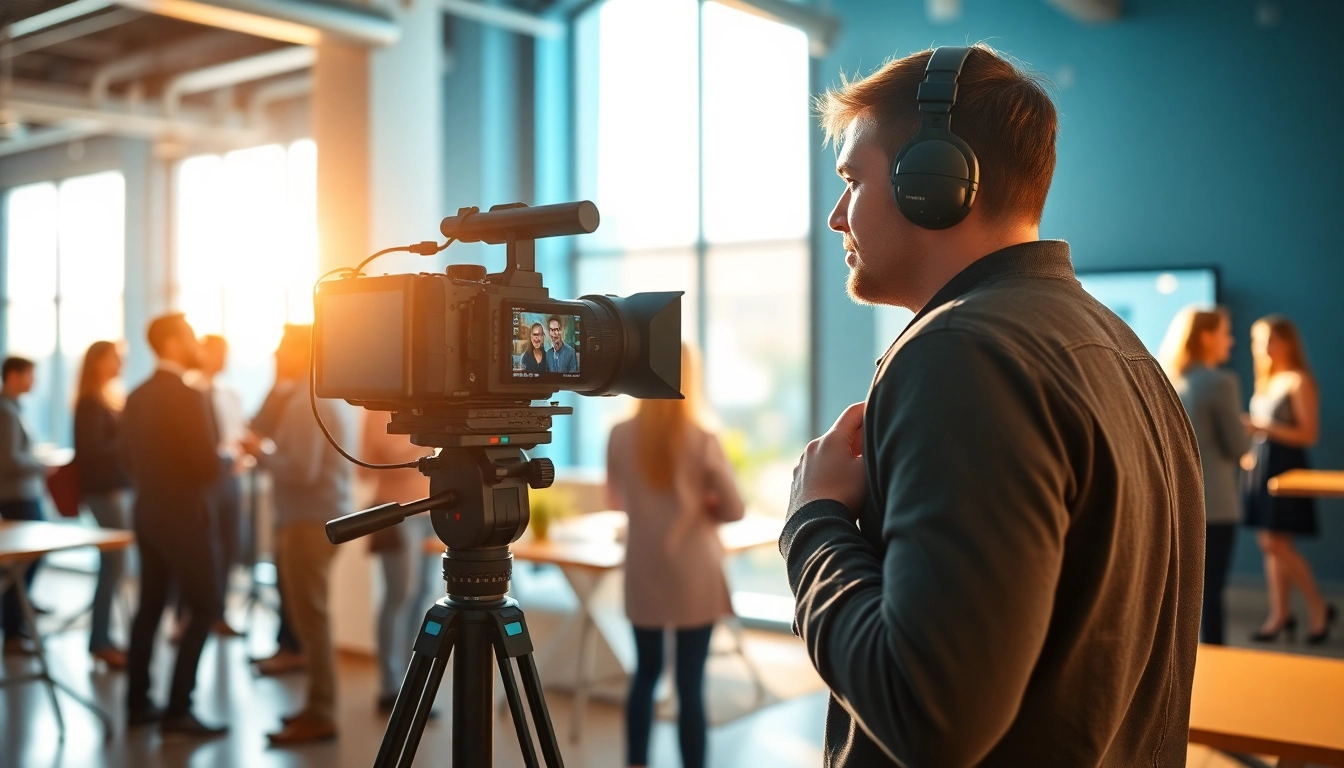
Understanding Commercial Videography
As businesses increasingly turn to visual media to connect with their audiences, Commercial videography stands at the forefront. It serves as a powerful tool for brands seeking to tell their stories, showcase products, and engage customers in a meaningful way. In this comprehensive guide, we will explore the various facets of commercial videography, from its definition to future trends, while providing actionable insights that can elevate your brand’s visual marketing strategy.
What is Commercial Videography?
Commercial videography is the art and craft of creating video content primarily for marketing and advertising purposes. Unlike other forms of videography, its primary goal is to promote a brand, product, or service, often tailored to a specific audience segment. This type of videography encompasses a variety of formats, such as promotional videos, advertisements, testimonials, training videos, and explainer videos. Successful commercial videography converts viewers into customers through carefully crafted narratives and visuals.
The Importance of Visual Storytelling
At the heart of commercial videography lies the concept of visual storytelling. This technique helps convey complex messages through engaging narratives. Videos that effectively tell a story can captivate audiences, evoke emotions, and foster connections. According to research, consumers are more likely to remember a story than raw data. This not only enhances brand recall but also nurtures customer loyalty, ultimately driving sales. Storytelling in commercial videography encourages authenticity and relatability—two vital elements for establishing trust with potential customers.
Common Uses in Various Industries
The adaptability of commercial videography makes it a valuable asset across diverse sectors. In the retail industry, brands create product videos to highlight features and benefits, helping consumers make informed decisions. The healthcare sector utilizes educational videos to demystify medical procedures and promote services. Similarly, the real estate market leverages virtual tours to showcase properties, enticing potential buyers through compelling visuals. Other industries, such as hospitality and technology, also leverage this medium to engage audiences and streamline communication. By understanding the unique needs of each sector, businesses can tailor their video content for maximum impact.
Key Elements of Effective Commercial Videography
Choosing the Right Equipment
The foundation of any effective commercial video lies in its equipment. Understanding the crucial role that cameras, lenses, microphones, and lighting play is essential for producing high-quality content. A professional-grade camera capable of capturing stunning visuals is paramount. Depending on the project’s specific needs, one might opt for DSLRs, mirrorless cameras, or even drones for aerial shots. Equally important is the sound design; poor audio can undermine the entire video experience. Invest in high-quality microphones and sound recording equipment to ensure clarity and immersion. Lastly, proper lighting equipment is crucial for enhancing visual aesthetics and maintaining consistency throughout the shoot.
Insights on Pre-Production Planning
Pre-production is arguably the most crucial stage in commercial videography. Clear planning sets the stage for a smooth production process. This phase involves brainstorming ideas, defining the purpose, identifying the target audience, and establishing a comprehensive shot list. Additionally, logistics such as location scouting, scheduling, and securing permits should be addressed early on. Engaging teams, whether they are creative talent or technical crew members, during this phase leads to collaborative synergy that enhances the project’s overall vision. Crafting a timeline ensures that each element is meticulously planned, reducing the chances of unforeseen issues during filming.
Crafting Compelling Scripts and Storyboards
Effective scripts serve as the backbone of engaging commercial videos. They outline the narrative flow and guide visual elements, ensuring that each scene serves a specific purpose. Start by identifying the core message you wish to communicate, followed by a structured outline that includes a compelling hook, problem identification, and the resolution through your product or service. Storyboards visually map out scenes, allowing you to visualize shots and save time during production. This collaborative visual planning helps everyone involved understand the direction of the project and streamlines the filming process.
Best Practices for Shooting Commercial Videography
Lighting Techniques for Stunning Footage
Lighting is a key component of effective videography that can dramatically influence the mood and clarity of your footage. Natural light can often create beautiful ambiance, but relying solely on it may yield inconsistent results. Therefore, mastering artificial lighting techniques becomes essential. Three-point lighting is a widely used technique that involves key light, fill light, and backlight. This arrangement ensures that subjects are evenly illuminated while adding dimension to the shot. Experiment with different lighting setups to create the desired aesthetic and ensure professional-grade results, regardless of the setting.
Camera Angles That Engage Viewers
The angles you choose dictate how viewers perceive the story. Creative camera angles can enhance visual narratives and evoke ‘wow’ moments. Low angles can make subjects appear more powerful and significant, while high angles often have a diminishing effect. Over-the-shoulder shots create intimacy, drawing viewers closer to the action. Wide shots, conversely, provide context by showcasing surroundings. Utilize a mix of angles and movements for a dynamic viewing experience that holds audience attention. Always consider the emotional impact of your choices and how they serve the storyline.
Editing Tips for Professional Quality
Post-production is where the magic happens and brings creativity to fruition. Proper editing can elevate raw footage, transforming it into a compelling narrative. Begin with a well-structured editing timeline, categorizing clips by scenes and visuals. Pay attention to pacing; seamless transitions maintain viewer engagement and encourage emotional responses. Color grading not only enhances visual appeal but also reinforces mood. Don’t neglect sound design; background music and sound effects play a crucial role in setting tone. By meticulously refining each element, you can produce a polished and professional final product that resonates with your intended audience.
Measuring Success in Commercial Videography
Defining Clear Goals and Metrics
A successful commercial videography project starts with defined objectives. Whether the aim is to increase brand awareness, generate leads, or drive conversions, setting measurable goals is crucial. Key performance indicators (KPIs), such as view counts, click-through rates, social shares, and conversions, provide tangible insights into effectiveness. By establishing clear metrics, brands can track outcomes and adjust strategies as needed. Understanding what success looks like enables better decision-making and focused efforts on future videography projects.
Analyzing Viewer Engagement and Feedback
Once a video is live, the next step is to monitor audience engagement. Employ analytics tools to track how viewers interact with the content. Metrics like watch time, bounce rates, and audience retention reveal how engaging the video is. Encourage feedback through comments and surveys, as qualitative insights can shed light on what resonates or what may need improvement. This post-analysis is crucial to refining future videography endeavors, catering content more effectively to audience preferences.
Optimizing Content for Various Platforms
Every platform has unique requirements and audiences. Optimizing your video for each channel is necessary for maximizing reach and engagement. Short-form content performs well on social media platforms like Instagram; in contrast, YouTube users may appreciate longer, in-depth videos. Tailor your content’s length, aspect ratio, and even thumbnails to fit the platform. Additionally, consider SEO strategies, such as keyword optimization and metadata enhancement, to improve visibility within search indexes. Effective distribution ensures your content reaches the intended audience and achieves desired outcomes.
Future Trends in Commercial Videography
Emerging Technologies and Innovations
As technology evolves, so too does commercial videography. Trends like virtual reality (VR) and augmented reality (AR) are set to redefine viewer experiences, offering immersive interactions that can captivate audiences. Drones continue to reshape aerial filming, allowing dynamic shots previously unattainable. Additionally, live streaming has gained immense traction, enabling real-time engagement that traditional videos cannot offer. Staying abreast of emerging technologies ensures that your content remains relevant and ahead of the curve in this ever-evolving landscape.
Shifts in Audience Preferences
Over the years, audience preferences have rapidly shifted toward authenticity and relatability. Today’s consumers favor genuine stories over polished marketing pitches. Brands are increasingly leveraging user-generated content and testimonials, allowing customers to advocate for them. Understanding your audience’s evolving needs is crucial for creating relevant content. Engaging with customers, listening to their feedback, and adapting to these preferences can help ensure your commercial videography resonates and fosters loyalty.
Preparing for the Future of Visual Marketing
To maintain a competitive edge, businesses must strategically prepare for the future of visual marketing. Diversifying content types, exploring different storytelling formats, and cultivating a strong social media presence are essential steps. Continuous experimentation with new video styles, like short-form videos suitable for TikTok, can prevent stagnation. Additionally, understanding data and analytics aids in adjusting strategies to meet upcoming trends effectively. The future of commercial videography is dynamic—embracing change and innovation will be key to staying relevant and successful in visual marketing.
Frequently Asked Questions
What is the purpose of commercial videography?
The primary purpose of commercial videography is to promote brands, products, or services through compelling video content designed to engage and convert target audiences.
How can I choose the right equipment for commercial videography?
Assess your project’s needs to select appropriate cameras, lenses, microphones, and lighting equipment that meet quality standards and fit your budget.
What are the best practices for shooting commercial videos?
Key practices include effective pre-production planning, creative camera angles, and mastering lighting techniques to ensure high-quality visuals that engage viewers.
How do I measure the success of a commercial video?
Success can be measured through predefined goals and metrics, such as view counts, engagement rates, and conversion outcomes, using various analytics tools.
What future trends should I watch in commercial videography?
Emerging technologies like virtual and augmented reality, audience preference shifts towards authenticity, and diverse content formats are key trends to monitor.