Essential 3D Model Generator Strategies for Creative Professionals in 2026
Understanding 3D Model Generators
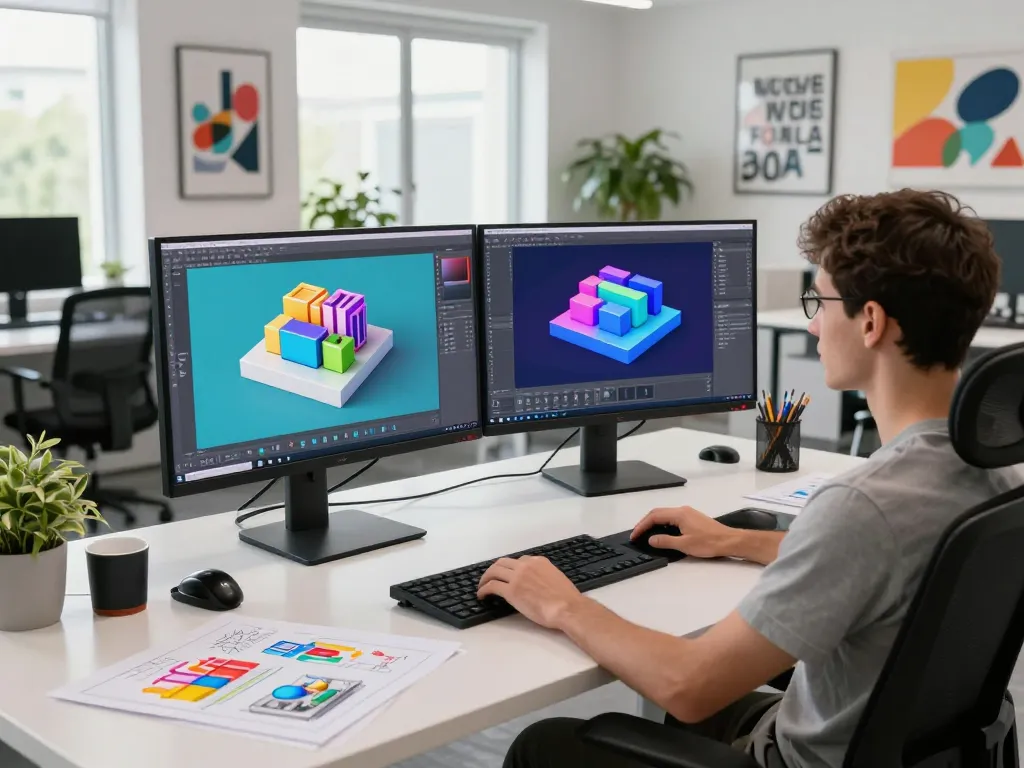
In the evolving landscape of design and technology, the relevance of 3D modeling has surged, impacting various industries such as gaming, architecture, and product design. Among the innovative tools making this transformation possible is the 3D Model generator. This technology empowers creators to produce intricate three-dimensional models efficiently, significantly enhancing productivity and creativity.
What is a 3D Model Generator?
A 3D model generator is software that creates three-dimensional models based on input data such as text descriptions or images. This cutting-edge technology leverages artificial intelligence and machine learning algorithms to convert simple prompts into complex designs automatically. As a result, artists, engineers, and designers can focus their time on refining concepts rather than starting from scratch.
How 3D Model Generators Work: A Technical Overview
At the core of a 3D model generator lies sophisticated algorithmic processing. These generators typically follow a few key steps:
- Input Interpretation: Users provide input in the form of text prompts, sketches, or existing images.
- Data Processing: The software analyzes the input using natural language processing (NLP) and image recognition technologies to understand the user’s intent.
- Model Creation: Based on the processed data, the generator applies algorithms to create a three-dimensional representation, often refining it through an iterative process.
- Exportation: Once the model is complete, users can export it in various formats suitable for 3D printing, animation, or integration into virtual environments.
The Importance of 3D Models in Various Industries
3D models serve as a critical asset across numerous sectors. For instance:
- Gaming: Developers use 3D models to create immersive environments and characters, enhancing user engagement.
- Healthcare: Medical professionals utilize 3D modeling for simulations and creating anatomical models to aid in patient education.
- Architecture: Architects produce 3D renderings to visualize buildings and interiors before construction, providing clients with tangible previews of their projects.
Benefits of Using a 3D Model Generator
Speed and Efficiency in Design Processes
One of the most notable advantages of utilizing a 3D model generator is the speed at which designs can be developed. With the ability to produce a 3D model in seconds from a simple text input, designers can prototype and iterate without the hefty time investment traditionally associated with manual modeling.
Cost-Effectiveness for Startups and Freelancers
For small businesses, freelancers, and startups, utilizing a 3D model generator can significantly reduce costs. Instead of hiring a full-time designer or outsourcing projects, individuals can generate high-quality models autonomously, allowing financial resources to be allocated to other crucial areas of development.
Enhancing Creativity and Innovation in Projects
3D model generators not only expedite the design process but also foster creativity. By generating multiple variations of a design quickly, users can explore diverse concepts and innovative solutions that they might not have considered otherwise, ultimately enriching the creative process.
Choosing the Right 3D Model Generator
Key Features to Look for in a 3D Model Generator
Selecting the appropriate 3D model generator requires careful consideration of key features. Essential aspects include:
- Ease of Use: A user-friendly interface facilitates seamless navigation and reduces the learning curve for new users.
- Output Quality: The ability to produce high-resolution models with intricate details is vital, especially for professional applications.
- Customization Options: Look for generators that allow users to modify and fine-tune the generated models to fit specific project requirements.
- Compatibility: Ensure that the generator is compatible with preferred CAD software and file formats for easy integration into existing workflows.
Comparative Analysis of Leading 3D Model Generators
When comparing different 3D model generators, consider reviewing leading platforms like:
- Meshy AI: Known for its AI capabilities, it converts text and images into production-ready models efficiently.
- Canva: Offers an AI-powered tool that allows users to create stunning 3D designs from their creative prompts.
- Tripo: This platform excels at transforming 2D images into detailed 3D models.
User Interface and Experience: Importance in Selection
Choosing a generator with an intuitive user interface is crucial. A well-designed UI not only enhances usability but also encourages creativity by reducing friction in the design process. Look for software that enables easy access to features you need without a convoluted navigation structure.
Best Practices for Maximizing the 3D Model Generator
Integrating with Design Software and Tools
To maximize the benefits of a 3D model generator, integration with existing design tools is essential. Select a generator that supports file formats compatible with your preferred software, such as Blender or AutoCAD, to streamline your workflow and enhance productivity.
Common Mistakes to Avoid with 3D Model Generators
While 3D model generators offer many advantages, users can still make mistakes that hinder their design efforts. Common errors include:
- Ignoring Output Specifications: Not adhering to output requirements may result in unusable models.
- Overcomplicating Inputs: Providing overly complex instructions can confuse the generator, leading to unsatisfactory results.
- Neglecting Post-Processing: Failing to refine or edit the generated model may overlook potential enhancements.
Tips for Refining Your Designs
Once models are generated, refinement is crucial. Here are some tips to enhance your 3D designs:
- Use Layering Techniques: Apply layers for intricate details and textures to increase model realism.
- Leverage Feedback: Get input from peers or clients to identify areas for improvement.
- Iterate Regularly: Don’t hesitate to iterate on designs based on feedback and evolving project needs.
Future Trends in 3D Modeling (2026 and Beyond)
Advances in AI and Machine Learning for 3D Generation
The future of 3D modeling is set to be heavily influenced by advancements in AI and machine learning. As algorithms become more sophisticated, we can expect enhanced accuracy in model generation, allowing for even more complex designs to be created from minimal input.
Impact of Virtual and Augmented Reality on 3D Modeling
Virtual reality (VR) and augmented reality (AR) technologies are reshaping how we visualize 3D models. Expect an increase in the utilization of these technologies for immersive experiences, enabling users to interact with models in entirely new ways before actual production.
The Role of 3D Models in Sustainable Design Practices
As industries pivot towards sustainability, 3D modeling will play a crucial role in eco-friendly design practices. By simulating potential impacts before production, companies can explore sustainable alternatives and reduce waste, fostering a greener approach to design and manufacturing.
What should I look for in a 3D Model generator?
When evaluating a 3D model generator, prioritize usability, output quality, and customization options to ensure it meets your design needs.
How can a 3D Model generator improve my design workflow?
A 3D model generator can streamline your design process by automating the creation of models, allowing you to focus on refinement and innovation rather than tedious manual work.
Are there free options for 3D Model generators?
Yes, many 3D model generators offer free versions, allowing users to explore their capabilities without financial commitment.
Can I use a 3D Model generator for 3D printing?
Absolutely! Many 3D model generators create files compatible with 3D printers, making them ideal for prototyping and final production.
What industries benefit most from 3D Model generators?
Industries such as gaming, architecture, product design, and education greatly benefit from the efficiencies and innovations introduced by 3D model generators.