
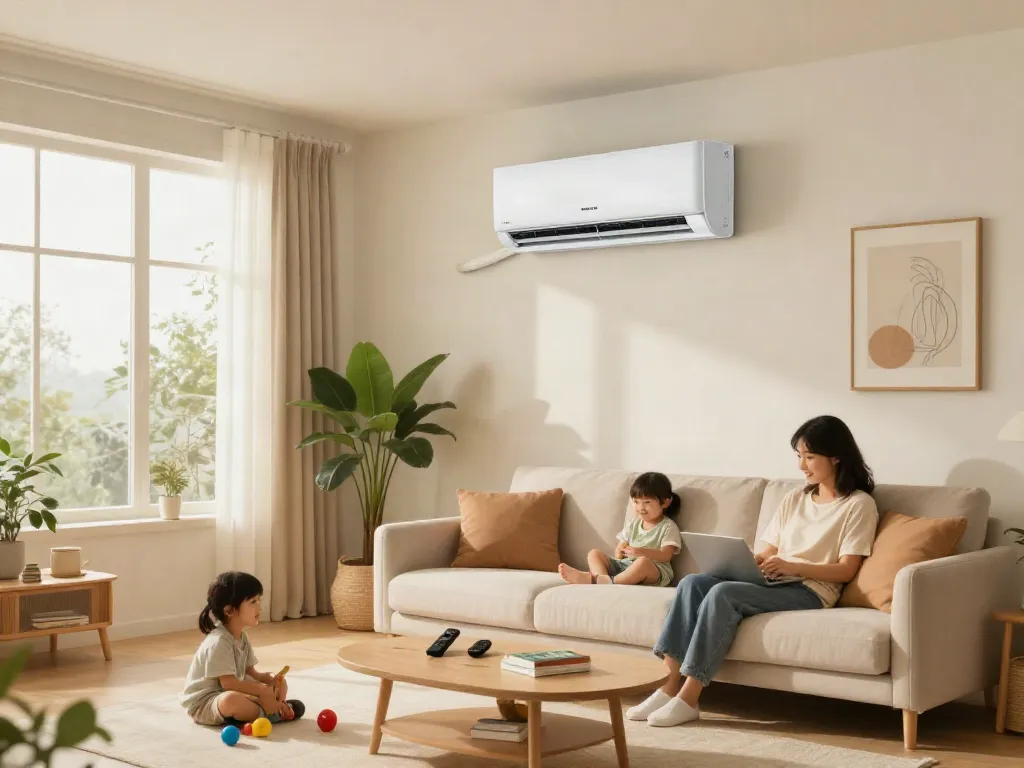
Understanding the 2400 BTU Mini Split System
The 2400 BTU mini split system represents a significant advancement in home climate control technology. These versatile units are designed to efficiently cool or heat individual rooms, making them a popular choice for homeowners looking to enhance their comfort levels without the need for extensive ductwork. Unlike traditional air conditioning systems, mini splits offer flexibility and energy efficiency, positioning themselves as an ideal solution for both residential and commercial spaces. When exploring options, 2400 btu mini split models provide comprehensive insights into the technology that can revolutionize your home environment.
What is a 2400 BTU Mini Split?
A 2400 BTU mini split is a ductless heating and cooling system that utilizes a compact indoor unit and an exterior compressor. These systems are rated at 24000 BTUs, which makes them suitable for effectively heating or cooling spaces up to approximately 1,500 square feet, depending on insulation and climate conditions. The term "mini split" refers to the system's split design, allowing for flexible installation options without the need for ductwork.
Benefits of Mini Split Systems for Homeowners
There are numerous advantages to installing a 2400 BTU mini split system in your home:
- Energy Efficiency: Mini splits typically operate on a variable speed compressor, allowing them to use only the energy necessary to maintain your desired temperature.
- Zone Control: These systems allow you to control the temperature of individual rooms or zones, providing comfort in specific areas of your home while saving energy elsewhere.
- Easy Installation: With minimal ductwork required, installation is often less invasive and quicker than that of traditional HVAC systems.
- Quiet Operation: Mini splits are generally quieter than conventional air conditioning systems, making them an excellent choice for bedrooms and living areas.
How a 2400 BTU Mini Split Operates
Understanding how a mini split functions can help homeowners appreciate its advantages. The system comprises two main components: the indoor unit and the outdoor compressor. The indoor unit is responsible for circulating conditioned air into the room, while the outdoor compressor handles heat exchange. During the cooling process, refrigerant absorbs heat from inside your home and releases it outdoors, effectively lowering indoor temperatures. In heating mode, the process reverses, pulling heat from the outside air and delivering it indoors.
Choosing the Right Mini Split for Your Space
Selecting the appropriate mini split system requires careful consideration of several factors, including room size, insulation, and energy efficiency ratings. A well-chosen mini split unit can maximize comfort while minimizing energy consumption.
Calculating the Ideal BTU Needs for Your Room
To determine the correct BTU capacity for your space, you must consider factors such as:
- The size of the room (in square feet).
- Ceiling height.
- Insulation quality.
- The number of windows and their exposure to sunlight.
- Heat-generating appliances that may be present.
A general rule of thumb is to allow 20 BTUs per square foot of living space, but adjustments should be made based on the factors listed above to ensure energy efficiency and comfort.
Factors to Consider When Selecting a Mini Split
When choosing a 2400 BTU mini split system, consider the following:
- SEER Rating: Look for systems with a high Seasonal Energy Efficiency Ratio (SEER) rating, as this indicates better energy performance.
- Heating Capacity: In colder climates, ensure that the unit has adequate heating capacity for your needs.
- Noise Levels: Review noise ratings (measured in decibels) to find an option that fits your comfort preferences.
- Features: Consider advanced options such as programmable thermostats, remote controls, and smart home compatibility for added convenience.
Common Misconceptions about Mini Split Systems
Despite their growing popularity, several misconceptions persist regarding mini split systems:
- High Installation Costs: While the upfront costs can be higher than traditional units, the long-term savings in energy can offset these expenses.
- Only for Smaller Spaces: Many believe mini splits are only suitable for small areas, but 2400 BTU units can effectively heat or cool larger spaces.
- Complicated Maintenance: Mini splits require less maintenance than ducted systems, making them easier to care for in the long run.
Installation and Maintenance Best Practices
Proper installation and regular maintenance are pivotal to maximizing the lifespan and efficiency of your 2400 BTU mini split system.
Steps for Proper Installation of a 2400 BTU Mini Split
While professional installation is often recommended, understanding the process can help homeowners appreciate the intricacies involved:
- Choose the Installation Location: Select an optimal location for the indoor unit that allows for unobstructed airflow.
- Mount the Indoor Unit: Secure the unit to the wall and connect it to the outdoor compressor through the refrigerant lines.
- Install the Outdoor Unit: Position the outdoor compressor on a flat service, ensuring it is level and well-ventilated.
- Wiring: Connect the electrical wiring between the indoor and outdoor units, ensuring compliance with local codes.
- System Testing: After installation, test the unit to confirm proper functioning before sealing any openings.
Routine Maintenance Tips for Longevity
Routine maintenance is crucial for extending the lifespan of your mini split system:
- Clean or Replace Filters: Check filters monthly and clean or replace them as needed to ensure proper airflow.
- Inspect Drain Lines: Regularly check for clogs in the drain lines to prevent water buildup and potential damage.
- Annual Professional Servicing: Schedule annual maintenance with a qualified technician to inspect and service the system comprehensively.
DIY vs. Professional Installation: What You Should Know
While DIY installation can save money, it comes with risks. Improper installation can lead to reduced efficiency and potential system failure. Working with a licensed HVAC technician ensures the system is installed correctly and operates at peak efficiency.
Energy Efficiency and Cost Savings
Energy efficiency is a primary selling point for mini split systems, directly impacting long-term cost savings for homeowners. Understanding how these systems function can help you make informed decisions about your climate control options.
How the 2400 BTU Mini Split Saves You Money
Investing in a 2400 BTU mini split can lead to significant savings through energy efficiency
- Lower Energy Bills: Mini splits consume less energy compared to traditional systems, leading to lower monthly utility bills.
- Incentives and Rebates: Many energy companies offer rebates for energy-efficient appliances, which can offset initial installation costs.
- Tax Credits: Homeowners may be eligible for tax credits for implementing energy-efficient upgrades, providing additional savings.
Comparing Energy Efficiency Ratings
Understanding energy efficiency ratings can help you make the right choice. The SEER (Seasonal Energy Efficiency Ratio) and HSPF (Heating Seasonal Performance Factor) are crucial metrics. A higher SEER and HSPF rating indicate better energy performance, which equates to lower operational costs over time. Opt for a unit rated above 16 SEER for optimal efficiency.
The Financial Benefits of Investing in a Mini Split
The initial investment in a mini split system pays dividends through reduced energy consumption, leading to long-term financial benefits. Many homeowners report lower heating and cooling costs after switching from traditional HVAC systems to mini splits.
Future Trends in Home Climate Control
The landscape of home heating and cooling is rapidly evolving, with innovations on the horizon that promise to change the way we manage indoor climates.
Innovations in Mini Split Technology for 2026
As technology advances, mini split systems are expected to integrate more sophisticated features, such as:
- AI and Machine Learning: Enhancements in predictive algorithms will allow systems to learn your preferences and optimize energy usage.
- Advanced Filtration: New filtration technologies will enhance indoor air quality, removing allergens and pollutants more effectively.
- Renewable Energy Integration: Future models may simplify the integration with solar energy systems, providing homeowners with even greater energy autonomy.
The Impact of Smart Technology on Mini Split Systems
Smart technology is revolutionizing home climate control solutions. Features like Wi-Fi connectivity and integration with smart home devices allow homeowners to control their mini splits remotely, optimizing comfort and energy usage through intuitive applications.
Predictions for Home Heating and Cooling Markets
Experts forecast a growing trend towards eco-friendly and energy-efficient solutions in the home heating and cooling markets. As homeowners become increasingly aware of their carbon footprints and energy bills, demand for systems like the 2400 BTU mini split will likely rise.
What’s Next for Mini Split Systems in Home Design?
Designing homes with energy efficiency in mind is becoming more common. Moving forward, we may see an increase in the adoption of mini splits as standard features in new construction and renovations due to their unobtrusive design and high efficiency.
Is a 2400 BTU Mini Split Right for You?
Choosing a mini split system requires careful consideration of your specific needs. If you’re looking for energy-efficient solutions to cool or heat your home, a 2400 BTU mini split system is an excellent choice for medium to large spaces.
How to Maximize the Performance of Your Mini Split?
To ensure your mini split operates at peak efficiency:
- Regularly maintain the unit.
- Ensure proper insulation in your home to reduce heating and cooling demands.
- Use programmable features to optimize energy use based on your schedules.
What's the Average Lifespan of a Mini Split System?
With proper maintenance, a mini split system can last upwards of 15 to 20 years. Regular servicing and prompt repairs when issues arise can maximize the lifespan of your equipment.
What are the Common Issues with Mini Split Systems?
Common issues include refrigerant leaks, clogged filters, and unresponsive controls. Regular maintenance can help prevent these problems and ensure your system operates effectively.
How Often Should You Service a Mini Split?
It is recommended to service your mini split system at least once a year. However, if you use the system heavily, consider more frequent inspections to maintain peak performance.