
Essential 2026 Guide to the Best Chlorinator for Inground Pools
- Understanding Chlorinators: Why They Matter
- Best Chlorinators for Inground Pools in 2026
- How to Choose the Right Chlorinator for Your Pool
- Replacement Cells: When and Why to Replace
- Future Trends in Pool Chlorination Technology
- What Should You Know About Saltwater vs. Traditional Chlorination?
- Do You Need a Chlorinator for Your Inground Pool?
- How Do You Maintain Your Saltwater Chlorinator?
- What Are the Benefits of Upgrading to Digital Chlorinators?
- How Can You Optimize Chlorinator Performance?
- What Common Issues Do Chlorinators Experience?
Understanding Chlorinators: Why They Matter
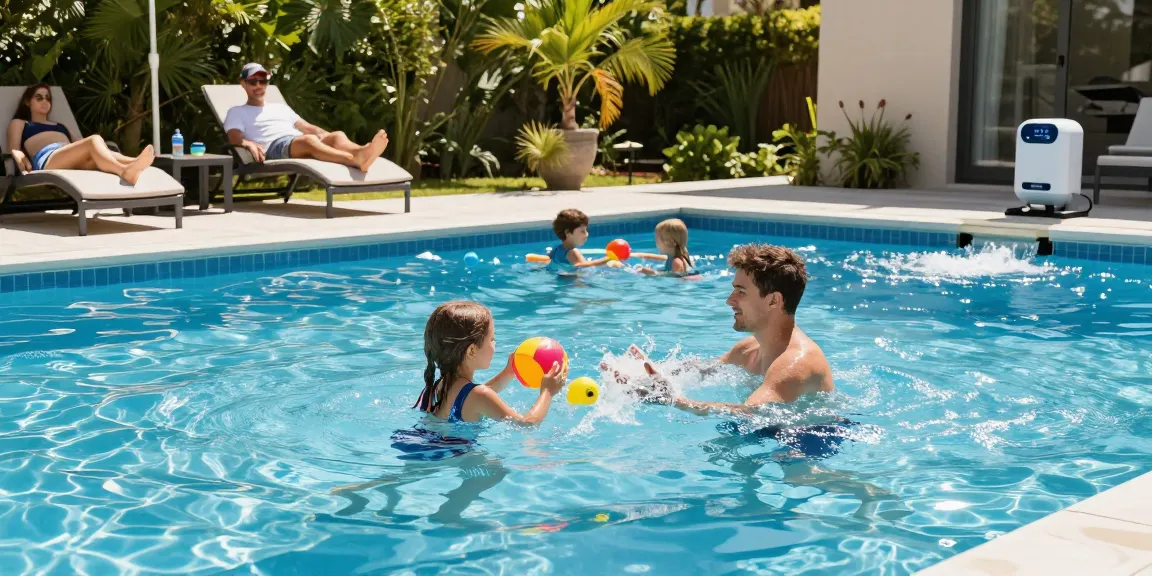
When it comes to maintaining a clean and safe swimming pool, understanding the role of chlorinators is essential. These devices automate the process of sanitizing pool water, ensuring that your swimming environment remains healthy with minimal effort. By converting dissolved salt into chlorine, chlorinators eliminate the need for manual chemical handling, making pool care more straightforward and less time-consuming. As more pool owners in Australia turn to salt water systems, the popularity of chlorinators continues to rise, particularly among those with inground pools. When exploring options, best chlorinator for inground pools provides comprehensive insights into the products available, making it easier to choose the right system for your specific needs.
What Is a Pool Chlorinator?
A pool chlorinator is a device that automatically produces chlorine gas from salt dissolved in pool water. This process occurs in a special cell where electrolysis takes place, creating chlorine without the need to add traditional chlorine products manually. The chlorinated water is then returned to the pool, keeping the water clean, clear, and safe for swimming.
Benefits of Using Chlorinators for Inground Pools
- Convenience: Automated chlorine generation reduces the frequency of manual chemical additions, making it easier for pool owners.
- Cost-Effective: Over time, using a chlorinator can be more economical than frequently buying chemical chlorine.
- Consistent Water Quality: Chlorinators maintain stable chlorine levels, leading to cleaner and clearer water.
- Gentler on Skin: Many users find that saltwater pools are gentler on the skin and eyes compared to traditional chlorine pools.
Common Misconceptions About Chlorination
A common misconception is that saltwater pools don’t require any chlorine. While it’s true that saltwater systems produce their own chlorine, they still need regular monitoring and maintenance. Additionally, some believe that saltwater pools are too salty, when in reality, they contain much lower salinity than seawater.
Best Chlorinators for Inground Pools in 2026
As pool technology evolves, so do the options available for chlorination. The K-Chlor Digital Gold Series has gained popularity due to its reliability and ease of use, making it suitable for various pool sizes and conditions. These systems have been engineered to perform efficiently in Australian climates, combining advanced technology with user-friendly features.
Top Picks: K-Chlor Digital Gold Series Overview
The K-Chlor Digital Gold Series chlorinators come in several models, including:
- KCHLOR KGS15: Suitable for pools up to 15,000 liters.
- KCHLOR KGS20: Designed for pools up to 20,000 liters.
- KCHLOR KGS25: Ideal for pools around 25,000 liters.
- KCHLOR KGS30: Perfect for mid-sized pools.
- KCHLOR KGS35: For larger pools requiring increased chlorine production.
- KCHLOR KGS50: Fits well for very large residential or commercial pools.
- KCHLOR KGS75: Designed for extensive pools needing robust chlorination.
- KCHLOR KGS100: The top-of-the-line option for large-scale installations.
Comparative Analysis of Leading Brands
In the marketplace, K-Chlor stands out from competitors such as Hayward and Pentair due to its focus on Australian conditions and customer support. The advanced micro-controller technology in K-Chlor units enables finer tuning of chlorine production, directly enhancing water quality. In contrast, while other brands may offer features that attract attention, K-Chlor’s reliability and support make it a preferred choice for many Australian pool owners.
User Reviews and Testimonials
Customer satisfaction plays a crucial role in choosing a chlorinator. Many users of the K-Chlor Digital Gold Series have praised its straightforward installation and low maintenance requirements. Testimonials often highlight how the self-cleaning function minimizes calcium build-up, further prolonging the life of the chlorinator. Positive experiences from users frequently result in recommendations to friends and family, reinforcing K-Chlor’s reputation in the pool care community.
How to Choose the Right Chlorinator for Your Pool
Selecting the appropriate chlorinator for your inground pool is vital for optimal performance. Factors such as pool size, water source, and desired maintenance levels are critical to consider.
Size and Capacity Considerations
- Pool Volume: Determine your pool’s volume by multiplying length, width, and average depth. This calculation will help you choose a chlorinator that can handle the water volume effectively.
- Usage Patterns: Consider how often the pool is used, as more frequent use necessitates a more robust chlorinator.
Features to Look For in a Chlorinator
When browsing chlorinator options, look for features such as self-cleaning mechanisms, digital controls, and warranty coverage. A self-cleaning feature can save maintenance time and increase the longevity of the unit.
Installation and Maintenance Tips
Proper installation is key to ensuring your chlorinator operates efficiently. It’s often recommended to engage a professional for installation to avoid issues. Regular checks on component performance and cleaning of the chlorinator cell can help maintain its efficiency.
Replacement Cells: When and Why to Replace
Replacement cells are a critical part of maintaining your chlorinator, as they eventually wear out from continuous use. Recognizing when to replace these cells can prevent drops in water quality and ensure consistent chlorine levels.
Understanding Chlorinator Cell Lifespan
The lifespan of chlorinator cells can vary based on factors such as water quality and usage. On average, cells may last between 3 to 7 years. Regular inspections can help to catch any drop in performance early.
Finding Compatible Replacement Cells for Your System
When it comes time to replace your chlorinator cell, finding a compatible replacement is essential. The K-Chlor replacement cells are designed to fit their Digital Gold Series models and can be acquired from reliable suppliers.
Cost-Effective Solutions for Replacement Parts
Providing you choose high-quality replacement parts, costs can be minimized in the long run. Opting for generic replacement cells may offer substantial savings without sacrificing performance, and many vendors provide competitive pricing and excellent customer service.
Future Trends in Pool Chlorination Technology
As technology advances, the landscape of pool maintenance is changing rapidly. The following trends provide insights into where chlorination technology is headed.
Innovations in Chlorinator Design
New designs are focusing on energy efficiency and enhanced user interfaces, including smartphone connectivity for real-time monitoring and adjustments.
Sustainability in Pool Maintenance Practices
Environmental considerations are influencing product development, pushing manufacturers to create more sustainable options that use fewer chemicals and lower energy consumption.
Predictions for Pool Care in 2026 and Beyond
As consumer preferences evolve, we can expect to see an increase in smart pool technologies, including integrated systems that monitor pool chemicals, temperature, and even solar energy use.
What Should You Know About Saltwater vs. Traditional Chlorination?
Understanding the differences between saltwater and traditional chlorine pools can help in deciding which system to implement. Saltwater systems utilize chlorinators to generate chlorine, while traditional systems require direct addition.
Do You Need a Chlorinator for Your Inground Pool?
For most inground pools, a chlorinator is beneficial, especially for regular use and pool sizes that make manual chlorine dosing impractical. Automated systems not only streamline maintenance but also improve water quality.
How Do You Maintain Your Saltwater Chlorinator?
Maintaining a saltwater chlorinator involves regular cleaning of the cell, checking for calcium build-up, and monitoring salt levels in the pool. Following manufacturer guidelines can aid in prolonging your system’s lifespan.
What Are the Benefits of Upgrading to Digital Chlorinators?
Digital chlorinators often come with advanced controls that allow for better precision in chlorine production, resulting in cleaner water. Features like self-diagnostics can alert you to issues, making maintenance easier.
How Can You Optimize Chlorinator Performance?
Optimizing performance involves ensuring the correct salt levels, regular cleaning, and watching for signs of wear. Adhering to the recommended maintenance schedule ensures your chlorinator operates effectively.
What Common Issues Do Chlorinators Experience?
Common issues faced by chlorinators include incorrect water chemistry, calcium build-up, and failure of components. Understanding these potential problems can help in troubleshooting and maintaining optimal operation.