
Essential Insights into a Plumbing Apprenticeship for Future Plumbers
Understanding the Plumbing Apprenticeship Pathway
What is a Plumbing Apprenticeship?
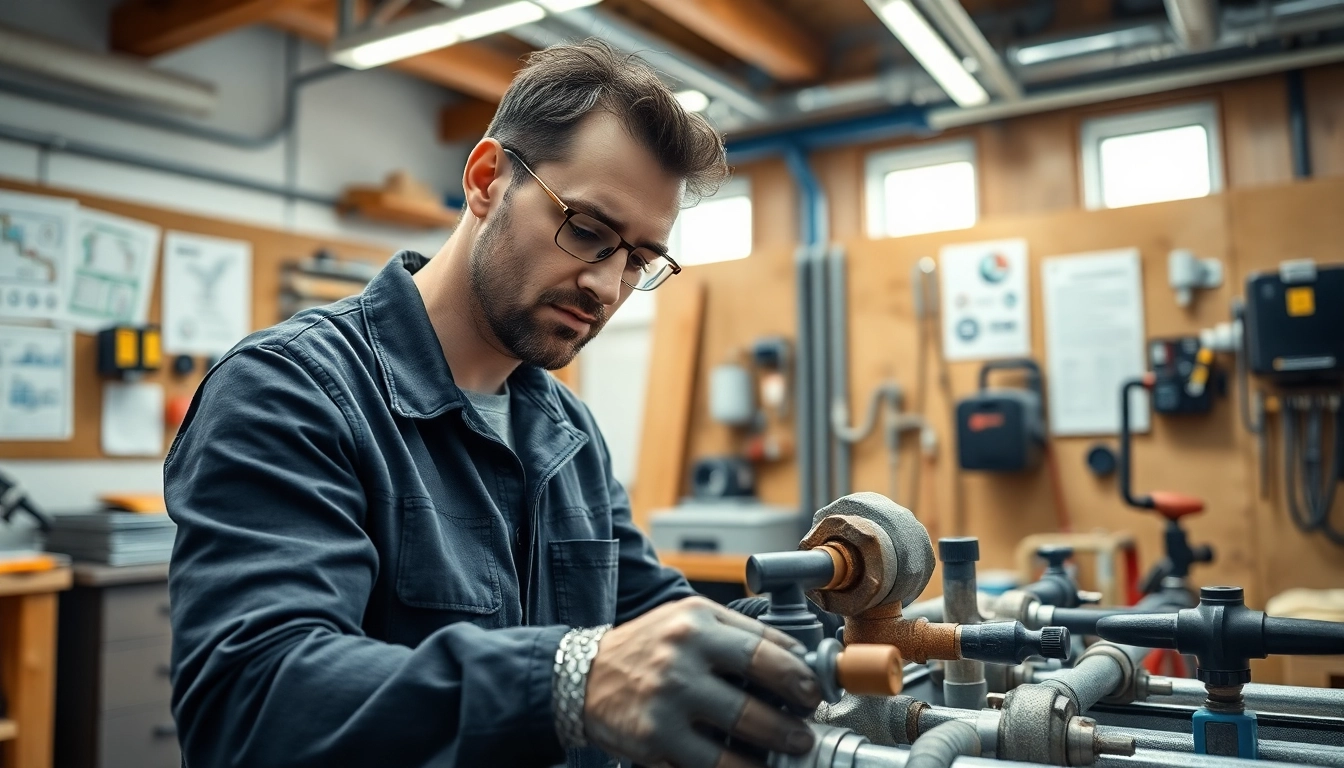
A plumbing apprenticeship is a structured training program that combines both trade school education and on-the-job training, specifically designed to prepare aspiring plumbers for a successful career in the field. These programs usually last several years, during which apprentices gain the necessary hands-on experience and technical knowledge. Apprentices typically work under the supervision of licensed plumbers, allowing them to learn various skills, including installation, maintenance, and repair of piping systems. This blend of theoretical and practical components ensures that apprentices not only understand plumbing concepts but also apply them in real-world scenarios.
Benefits of Choosing a Plumbing Apprenticeship
Choosing a plumbing apprenticeship can yield numerous benefits. Firstly, it equips individuals with sought-after skills in a trade that continually demands qualified professionals. As urbanization and infrastructure development expand, the need for skilled plumbers remains steady, offering excellent job security. Additionally, apprentices earn wages as they train, which helps them avoid accumulating student debt commonly associated with traditional college education. Beyond financial stability, a plumbing apprenticeship fosters lifelong skills applicable in various settings, enhancing personal and professional growth.
How to Get Started in a Plumbing Apprenticeship
Getting started in a plumbing apprenticeship typically involves several steps. First, prospective apprentices should research local opportunities and programs available within their area or state. Many unions and organizations offer apprenticeships, presenting various pathways tailored to individual interests. Applicants usually need a high school diploma or GED and may need to undergo physical assessments and background checks. Once accepted, candidates will begin their apprenticeship, often supervised by experienced professionals, allowing for a seamless transition into a career. For detailed information about local programs, consider exploring options through organizations promoting plumbing apprenticeships, such as plumbing apprenticeship initiatives.
Skill Development in Plumbing Apprenticeships
Essential Skills Acquired During Apprenticeships
Throughout the duration of their training, plumbing apprentices acquire a diverse set of essential skills. These often include technical proficiencies such as reading blueprints, understanding plumbing codes, and mastering the installation and maintenance of various plumbing systems. Additionally, apprentices develop fundamental skills in problem-solving, critical thinking, and time management. Good communication is also crucial, as plumbers interact with clients, contractors, and fellow workers regularly. Understanding customer service principles can provide a significant advantage in building a reputable career.
Technological Tools for Plumbing Apprentices
Modern plumbing has dramatically evolved due to technological advancements. Apprentices today learn to operate various tools and technologies, including digital measuring devices, pipe inspection cameras, and advanced heating systems. Knowledge of software systems for plumbing design and estimating is also increasingly valuable. Familiarity with these tools enhances efficiency and accuracy, benefiting apprentices as they enter the workforce. By integrating technology into their training, apprentices remain competitive within the labor market.
Hands-On Training vs. Classroom Learning
Balancing hands-on training with classroom learning is an integral feature of plumbing apprenticeships. While classroom instruction lays the theoretical groundwork, hands-on experiences solidify that knowledge through practical application. Apprentices engage in simulations and real-life projects, allowing them to troubleshoot problems, understand material properties, and recognize system interactions. The combination of both learning styles promotes comprehensive skill development, ensuring that apprentices are fully prepared for the challenges they may encounter in the field.
Challenges Faced During a Plumbing Apprenticeship
Common Hurdles for Apprentices
While apprenticeships offer substantial benefits, they also present various challenges. One common hurdle is the steep learning curve associated with mastering both technical skills and plumbing codes. Many apprentices may struggle to absorb a significant amount of information in a short time, leading to feelings of being overwhelmed. Additionally, physical demands, such as lifting heavy materials or working in challenging environments, can prove difficult for some individuals. Building resilience and adopting effective study techniques can help apprentices navigate these challenges successfully.
Balancing Work and Study in Plumbing
Balancing work and study responsibilities can be a significant challenge for plumbing apprentices. Many apprentices work full-time while attending classes, leaving limited time for rest and study. Effective time management skills are crucial in managing this balance. Apprentices can utilize planners or digital tools to organize their schedules, allocating dedicated time for both work and study. It’s also essential to stay focused and prioritize tasks based on deadlines and importance. Seeking mentorship from experienced plumbers can provide valuable guidance and support as apprentices navigate this challenging path.
Finding Support as a Plumbing Apprentice
Support systems play a pivotal role in helping plumbing apprentices succeed. Building relationships with fellow apprentices and mentors can provide significant encouragement and insights throughout the training process. Many local unions or vocational schools offer counseling and support services tailored specifically for apprentices. Participating in networking events with industry professionals can also open opportunities for learning and collaboration, creating a community environment that fosters growth and success.
Advancing Your Career Post-Apprenticeship
Certification and Licensing Requirements
After completing a plumbing apprenticeship, gaining certification or licensure is often essential for advancing one’s career. Most states require plumbers to pass specific examinations to obtain the necessary licenses for operating in their jurisdiction. These exams test knowledge of plumbing codes, safety practices, and pertinent regulations. Requiring licensing ensures plumbers meet industry standards for safety and competency, which contributes to public trust and professional integrity.
Job Opportunities After Completing a Plumbing Apprenticeship
Completing a plumbing apprenticeship opens the door to a wide range of job opportunities within the plumbing industry. Graduates can pursue various roles, from residential plumbers to commercial and industrial specialists. Many apprentices choose to work for established plumbing companies initially but may later opt for self-employment, providing them with flexibility and control over their career paths. As demand for skilled plumbers continues to rise, job prospects remain promising, characterized by competitive salaries and growth opportunities.
Continuing Education for Career Growth
Continuing education is vital for career growth in plumbing. As technologies and regulations evolve, staying updated through additional courses and certifications is essential. Options for further education include specialized training programs in solar heating, pipe fitting, and green plumbing technologies. Many industry associations and community colleges provide these continually updated courses. By investing in continuing education, plumbers can enhance their skill set and increase their earning potential, positioning themselves as experts in their field.
Frequently Asked Questions About Plumbing Apprenticeships
How long does a plumbing apprenticeship last?
A plumbing apprenticeship typically lasts between 4 to 5 years, combining classroom instruction with hands-on training.
What are the prerequisites for starting an apprenticeship?
Most plumbing apprenticeships require a high school diploma or GED and may have age and physical fitness criteria.
Are plumbing apprentices paid during training?
Yes, plumbing apprentices generally receive wages that increase as they progress through their training program.
Can I specialize in a specific area of plumbing?
Yes, after completing an apprenticeship, plumbers can specialize in areas like residential, commercial, or industrial plumbing.
Is a plumbing apprenticeship worthwhile?
A plumbing apprenticeship offers valuable skills, job security, and the potential for a lucrative career in the plumbing industry.