
Essential Insights into Sports Broadcasting: Trends, Techniques, and Challenges
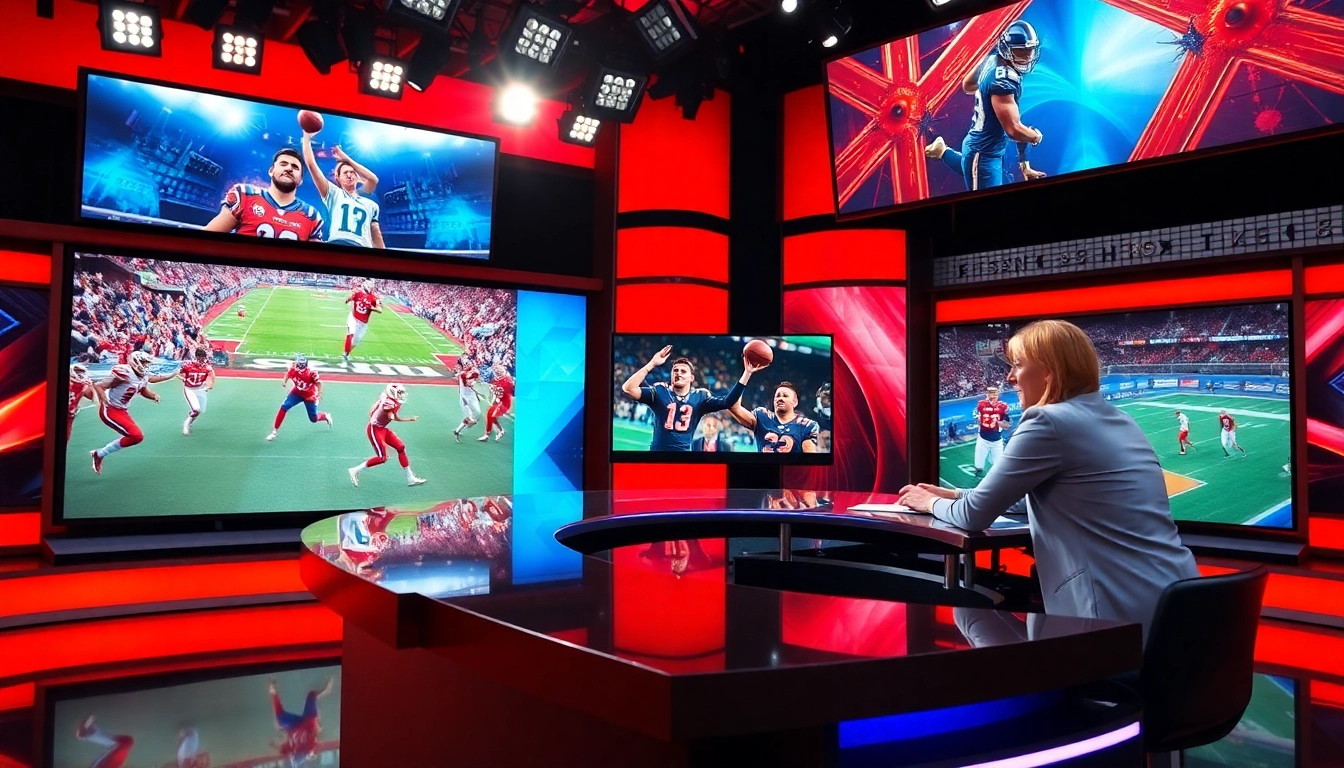
Understanding Sports Broadcasting
Definition of Sports Broadcasting
Sports Broadcasting refers to the live or recorded transmission of sports events and related content to an audience, typically via television, radio, or internet streaming platforms. It encompasses a range of activities including play-by-play commentary, analysis, and pre- and post-game highlights, crucial for delivering a rich viewing experience to fans. Sports Broadcasting has become vital for building sports cultures, enhancing fan engagement, and generating revenue for sports leagues and teams.
Evolution Over the Years
The journey of sports broadcasting began with radio broadcasts in the early 20th century, transforming the way fans consumed sports. The introduction of television in the mid-century revolutionized this further, enabling viewers to watch live games from their homes. Over the years, broadcasting methods have diversified, with satellite and cable networks providing extensive coverage, and more recently, the rise of digital platforms allowing for mobile access. The advent of online streaming services has equally redefined broadcasting, creating a landscape where live sports can be accessed on-demand.
Role in Modern Sports
Today, sports broadcasting plays a multifaceted role in sponsoring, advertising, and engaging stadium crowds. It acts not only as a vehicle for delivering content but also as a platform for revenue generation through advertisements and sponsorships. Besides financial implications, broadcasting serves to globalize local sports, bringing previously regional events to an international audience. Enhanced graphics, commentary, and real-time analytics play a key role in enriching the viewing experience, ensuring that fans feel part of the action, irrespective of their location.
Key Technologies in Sports Broadcasting
Broadcasting Equipment Overview
The backbone of sports broadcasting is its array of specialized equipment, which includes cameras, microphones, mixers, and transmission systems. High-definition cameras, including 4K and even 8K systems, capture crystal-clear images, while advanced audio equipment ensures that commentary and crowd sounds are accurately transmitted. Additionally, wireless technology has enabled mobile broadcasting units, allowing for on-the-go coverage of events. The integration of augmented reality (AR) and virtual reality (VR) technologies is also gaining traction, adding layers of interaction and immersion that modern audiences crave.
Streaming Technologies Transforming Fan Experience
Streaming technologies, such as Content Delivery Networks (CDNs) and adaptive bitrate streaming, enhance the viewer experience significantly. CDNs help to distribute content globally while ensuring minimal latency, providing fans seamless access to live games. Adaptive bitrate streaming adjusts video quality based on a viewer’s network connection, which is particularly crucial during high-traffic events. Moreover, features such as multiple camera angles, instant replays, and interactive statistics empower viewers to engage with content in dynamic ways, raising the bar for broadcast quality and viewer satisfaction.
Future Innovations on the Horizon
The future of sports broadcasting is anticipated to be driven by several emerging innovations. Developments in AI and machine learning will refine content recommendation algorithms, tailoring the viewing experience to individual preferences. Furthermore, 5G technology promises to enhance mobile viewing experiences, offering high-quality streaming with virtually no lag, which is essential for live sports. The potential incorporation of blockchain for secure transactions and rights management may further transform how broadcasting operations are conducted, promising additional benefits to stakeholders in the industry.
Impact of Sports Broadcasting on Audience Engagement
Metrics to Measure Engagement
Measuring engagement in sports broadcasting is vital for understanding viewer behavior and preferences. Key metrics include viewership ratings, viewer retention rates, and social media interactions. Advanced analytics tools allow broadcasters to dissect engagement data, identifying trends in viewer loyalty and preferences. Alongside traditional viewing figures, metrics such as unique online streams, audience demographics, and geographic distribution help shape content strategies and promotional efforts.
Trends in Viewer Preferences
As viewer behavior evolves, trends such as increased demand for personalization and interactive content are becoming evident. Younger audiences prefer platforms that offer flexibility, such as options to choose camera angles or watch replays on demand. Social media integration is also crucial, with viewers expecting to engage with content alongside their social platforms. Additionally, bite-sized content, such as highlights or behind-the-scenes access, is gaining popularity among audiences with limited viewing time. Understanding these preferences is essential for broadcasters seeking to keep their audiences engaged.
Case Studies on Successful Engagement
Various sports entities have successfully implemented novel engagement strategies through broadcasting. For example, interactive broadcasts that allow viewers to participate in polls or trivia during the game have been shown to boost engagement significantly. Another successful case involves the use of fantasy sports platforms that align closely with live broadcasts, prompting viewers to remain engaged longer as they track their fantasy teams alongside the games. Such innovations illustrate the evolving nature of viewer engagement and the role of technology in enhancing the broadcasting experience.
Challenges Faced by Sports Broadcasters
Licensing and Rights Issues
The landscape of sports broadcasting is often marred by complex licensing and rights issues. Broadcasters must navigate intricate agreements that govern who can show what and when, determining how content is distributed both domestically and internationally. Increasingly, streaming platforms are vying for exclusive rights to popular leagues, leading to fierce competition and inflated costs. This necessitates careful negotiation and a keen understanding of market dynamics, often requiring partnerships to leverage available rights.
Adapting to Emerging Technologies
Maintaining technological relevancy is a constant challenge for sports broadcasters. The rapid pace of technological advancement means that new tools and systems are regularly introduced, requiring broadcasters to adapt swiftly. This includes integrating new technologies for enhanced data analytics and viewer experiences without alienating existing audiences. Staying ahead of the curve demands significant investment in talent and resources, alongside a willingness to experiment with new formats and platforms to meet evolving consumer expectations.
Navigating Viewer Expectations
Today’s viewers have higher expectations than ever before. With the availability of high-quality streaming and extensive choice across various platforms, audiences demand superior production quality, comprehensive coverage, and interactive elements. Broadcasters must consistently exceed these expectations to maintain viewer loyalty. This necessitates ongoing investment in both technology and talent, as well as a focus on delivering value through enhanced storytelling, personalized content, and engaging commentary.
Future Directions in Sports Broadcasting
Predictions for the Industry
The future of sports broadcasting is ripe with possibilities. It is expected that hybrid models of consumption will emerge, where traditional television services coexist with streaming platforms, providing audiences with a mix of on-demand and live content. Personalization will become more sophisticated, driven by AI capabilities analyzing viewer habits to curate tailored experiences. Such shifts are set to redefine how audiences discover and engage with sports content, ushering in a new age of accessibility and interactivity.
Role of AI and Machine Learning
AI and machine learning are anticipated to revolutionize the sports broadcasting landscape dramatically. From automated video editing to advanced analytics predicting game outcomes, these technologies will streamline production and enhance viewer engagement. Machine learning algorithms can automate highlight selection, enabling more efficient content creation. Furthermore, AI-driven insights might redefine advertising strategies by providing targeted advertising opportunities based on viewer behavior, thus optimizing revenue for broadcasters while improving the viewer experience.
Building Resilience in Broadcasting Strategies
As the industry faces constant changes, building resilience in broadcasting strategies is paramount. Broadcasters should focus on diversifying their content offerings, investing in partnerships that enhance their reach and credibility. Embracing an agile mindset will be crucial in responding to emerging trends, viewer preferences, and competitive pressures. Continuous innovation, coupled with a commitment to quality and audience engagement, will be critical for broadcasters to adapt effectively and thrive in a dynamic environment.
Frequently Asked Questions
What is sports broadcasting?
Sports broadcasting involves the live or recorded transmission of sports events via various media formats, including television, radio, and internet streaming, aiming to engage and entertain sports fans.
How has technology changed sports broadcasting?
Technology has transformed sports broadcasting through high-definition video, streaming services, and interactive features, providing audiences with immersive and personalized viewing experiences.
How do broadcasters measure audience engagement?
Broadcasters measure engagement through viewership ratings, retention rates, social media interactions, and advanced analytics that reveal viewer preferences and behaviors.
What challenges do sports broadcasters face?
Sports broadcasters face challenges such as licensing and rights issues, adapting to emerging technologies, and navigating viewer expectations for high-quality content and interactivity.
What does the future hold for sports broadcasting?
Future trends in sports broadcasting include the integration of AI, enhanced personalization, hybrid consumption models, and the continuing evolution of viewer engagement strategies.