Expert Emergency Plumbing Help for Sewer Backup: Your 2026 Guide
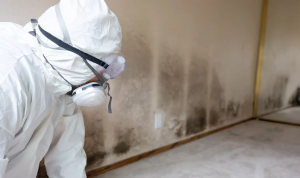
Understanding Sewer Backup Emergencies
Sewer backups are not just inconvenient; they can escalate into significant health hazards and property damage if not addressed promptly. Understanding what constitutes a sewer emergency is essential for homeowners and businesses alike, especially in a bustling city like New York, where plumbing infrastructure can be tested by the volume of users. Whether you’re experiencing a slight drain slowdown or a full-blown sewer backup, knowing how to recognize the issue early can save you time, money, and stress. For reliable assistance, emergency plumbing help for sewer backup is available throughout NYC.
What Is Considered a Sewer Emergency?
A sewer emergency occurs when there is a failure in the sewer system that leads to the backflow of sewage into homes or businesses. This can manifest as toilets that won’t flush, sinks that won’t drain, or even raw sewage seeping from floor drains. Understanding these signs is crucial for swift action, as sewage backups can lead to unsanitary conditions and significant structural damage.
Common Causes of Sewer Backups
- Clogs: Accumulation of grease, hair, and other debris can cause blockages.
- Tree Roots: Roots can infiltrate sewer lines, causing breaks or blockages.
- Pipe Collapse: Aging or damaged pipes may collapse, obstructing flow.
- Heavy Rainfalls: Excessive rain can overwhelm sewer systems, especially older ones.
- Improper Disposal: Flushing non-biodegradable items can lead to severe clogs.
Health Risks Associated with Sewage Backup
Sewage contains harmful bacteria and viruses that pose serious health risks. Exposure can lead to gastrointestinal diseases, skin infections, and more severe complications, particularly for vulnerable populations like the elderly or immunocompromised individuals. In addition, untreated sewage can create odors, attract pests, and lead to extensive property damage, compounding the urgency for professional plumbing services.
Signs You Need Immediate Emergency Plumbing Help
Recognizing the signs of a potential sewer backup can help mitigate damage and health risks to your property. If you notice multiple drains backing up simultaneously or foul odors, these are clear indicators that you need professional assistance. Ignoring these signs can lead to costly repairs and hazardous living conditions.
Identifying Warning Signs of Sewer Backups
- Slow Drains: Water takes longer to drain from sinks, tubs, and toilets.
- Gurgling Sounds: Unusual noises come from the plumbing system, indicating trapped air caused by clogs.
- Unpleasant Odors: Foul smells emanating from the drains are a sure sign of a sewer issue.
- Wet Spots: Unexplained wet spots in your yard may indicate a sewer leak.
- Backflow: Wastewater backing up into toilet bowls or sinks is an urgent sign of a backup.
When to Call for Professional Assistance
If you notice any of the signs listed above, it’s crucial to contact a licensed plumber immediately. Delaying could exacerbate the situation, leading to more extensive damage and higher repair costs. Professional plumbers can quickly diagnose and fix the issues, ensuring a return to normalcy.
How Delaying Can Worsen the Issue
Ignoring a sewer backup or delaying in seeking help can lead to irreversible damage. Not only may structural issues arise from prolonged exposure to sewage, but the potential for mold and mildew increases, leading to health hazards as well. The costs for repairs can multiply with time, making prompt action critical.
Choosing the Right Emergency Plumbing Services
Finding a qualified plumber who can provide timely and effective service during a plumbing crisis is essential. In NYC, where plumbing issues can arise unexpectedly, having a trusted plumber on speed dial can save you precious time and money.
What to Look for in a Licensed Plumber
- Credentials: Ensure the plumber is licensed, insured, and bonded.
- Experience: Choose someone with a proven track record in handling sewer backups.
- Customer Reviews: Read feedback from previous clients to gauge service quality.
- Availability: Opt for services that offer 24/7 availability to handle emergencies.
- Transparent Pricing: Look for upfront pricing with no hidden fees.
Comparing Costs and Service Options
Costs for plumbing services can vary widely, so comparing options is essential. Factors affecting price include the severity of the issue, time of service, and geographical location. It’s often wise to obtain quotes from multiple providers to ensure you receive fair pricing without sacrificing quality.
Benefits of 24/7 Plumbing Services in NYC
In a city that never sleeps, having access to 24/7 plumbing services is invaluable. Emergency plumbers are equipped to handle crises at any hour, ensuring that your home or business is protected from significant damage. With fast response times and the ability to tackle any plumbing issue, such services are essential for peace of mind.
How to Handle a Sewer Backup Effectively
While waiting for a plumber to arrive, there are steps you can take to manage the situation effectively and minimize damage. Knowing how to handle a sewer backup can make a significant difference in the outcome.
Step-by-Step Guide for Initial Response
- Shut Off Water Supply: Prevent any additional water from entering the system.
- Identify Affected Areas: Take note of where sewage is backing up to help the plumber diagnose the issue quicker.
- Use Protective Gear: Always wear gloves and masks when dealing with sewage to protect yourself from health risks.
- Document the Situation: Take photos for insurance purposes, showing any damage caused by the backup.
Tools and Equipment for Quick Fixes
While professional help is crucial for serious backups, having some basic tools on hand can help manage minor issues. Consider having a plunger, plumbing snake, and protective gloves available in case of emergencies. This approach allows for an immediate response while waiting for professional assistance.
Preventive Measures to Avoid Future Issues
To protect against future sewer backups, consider these preventive measures:
- Regular Maintenance: Schedule routine inspections and cleanings of your plumbing system.
- Avoid Flushing Non-Biodegradable Items: Educate your household on proper disposal methods for items like wipes and feminine hygiene products.
- Monitor Plant Growth: Keep an eye on tree roots that may invade sewer lines.
- Install Backflow Prevention Devices: These devices can help prevent sewer backups from entering your home.
Future Trends in Plumbing and Emergency Services
The plumbing industry is evolving rapidly, influenced by advancements in technology and growing environmental awareness. As we approach 2026, several trends are emerging that could redefine how plumbing services are delivered, particularly in urban environments like New York City.
Innovations in Plumbing Technology by 2026
New technologies such as smart sensors and IoT devices are making their way into plumbing systems. These innovations can detect leaks early, monitor water usage, and even alert homeowners to potential issues before they escalate into emergencies. Embracing these technologies will help consumers manage their plumbing systems proactively.
Predicted Changes in NYC Plumbing Regulations
As the city grapples with aging infrastructure, new regulations aimed at improving plumbing standards are expected. These changes may include stricter guidelines on water conservation practices and mandates for eco-friendly plumbing solutions. Staying informed about these developments is vital for both homeowners and service providers.
Sustainable Practices and Their Impact on Emergency Plumbing
With increasing awareness of environmental issues, many plumbing companies are adopting sustainable practices. These may include the use of biodegradable drain cleaners, eco-friendly piping materials, and methods designed to minimize waste during repairs. Emergency plumbing services that embrace sustainability will likely gain a competitive edge in the coming years.