Expert Insights on Commercial Carpet Installation for 2026 Businesses
The Importance of Commercial Carpet Installation
In today’s rapidly evolving business environment, the choice of flooring can have a significant impact on workplace functionality and aesthetics. A well-installed commercial carpet not only enhances the overall appearance of office spaces but also contributes to employee comfort and productivity. Choosing the right commercial carpet installation service is crucial for ensuring that your investment meets the specific needs of your business environment.
Benefits of Quality Carpet in Business Settings
Quality commercial carpeting offers numerous advantages for businesses. Firstly, it contributes to a professional and welcoming atmosphere, leaving a positive impression on clients and visitors. Additionally, high-quality carpets can reduce noise levels, making for a more conducive working environment. Furthermore, commercial carpets are often designed to withstand high foot traffic, offering durability and longevity that is essential for busy areas.
Common Types of Commercial Carpets
When selecting commercial carpets, businesses generally have a range of options including:
- Broadloom Carpets: These are large, continuous rolls of carpet that are typically installed using adhesive.
- Carpet Tiles: Modular squares that can be easily replaced, making them an excellent choice for high-traffic areas.
- Luxury Vinyl Tiles (LVT): While technically not carpet, LVT provides a similar aesthetic while being extremely resilient.
Each type of carpet serves different needs and has its own set of installation requirements, which is crucial for businesses to consider when planning their flooring projects.
Evaluating Durability and Aesthetics
Choosing commercial carpets involves balancing durability with visual appeal. Businesses should look for carpets that not only match their brand aesthetic but also offer stain resistance and good wear ratings. Material composition plays a key role in this; nylon and polyester are popular choices due to their resilience and variety of design options. Consulting with a professional installer can provide insights into which styles and materials will best suit specific business requirements.
Steps for Effective Commercial Carpet Installation
A successful commercial carpet installation hinges on meticulous planning and execution. Understanding the steps involved can help ensure that your new flooring meets both aesthetic and functional needs.
Preparing the Space for Installation
Proper preparation is crucial for effective carpet installation. This includes clearing the area of furniture and ensuring the subfloor is clean and dry. Assessing the condition of the subfloor is essential, as any imperfections could affect the carpet’s performance and longevity. Furthermore, evaluating environmental factors such as humidity and temperature will help in selecting suitable installation techniques and materials.
Choosing the Right Carpet for Your Needs
Selecting the right carpet involves considering both style and functionality. Key factors to consider include:
- Traffic Level: High-traffic areas require more durable materials.
- Indoor Climate: Humidity levels can affect certain carpet types.
- Color and Texture: Aesthetics should align with your business’s branding.
Consultation with flooring professionals can provide tailored recommendations suitable for your specific setting.
Installation Techniques and Best Practices
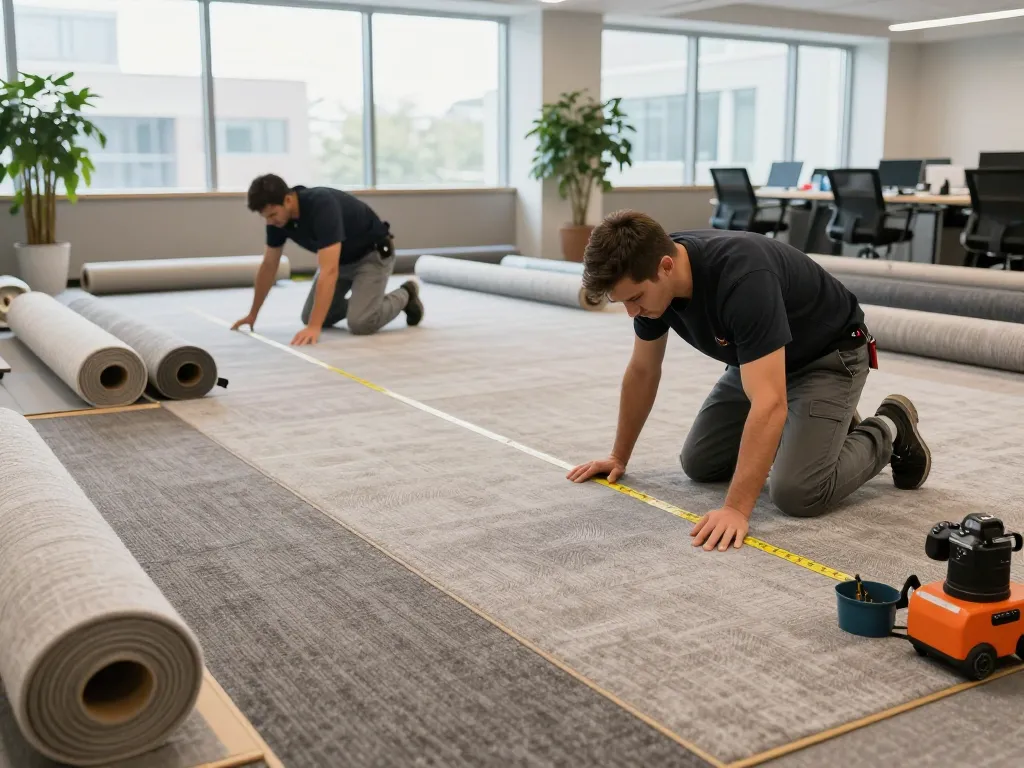
Proper installation is vital for the longevity of commercial carpets. Common techniques include glue-down, stretch-in, and tile installation. Each method has its advantages and drawbacks depending on the carpet type and the area of installation. Additionally, engaging experienced installers can significantly reduce the risk of common issues such as wrinkles or bubbles, ensuring a polished finish.
Cost Considerations in Commercial Carpet Installation
Understanding the financial aspects of commercial carpet installation can help businesses budget effectively and make informed decisions. Here’s a breakdown of cost considerations you should keep in mind.
Factors Affecting Installation Costs
Several factors can influence the overall cost of carpet installation, including:
- Carpet Type: Different materials come with varying price points.
- Room Size: Larger spaces will naturally incur higher costs.
- Geographic Location: Labor costs may vary based on location.
Considering these variables can help businesses accurately estimate their expenditures and optimize their budget allocation.
Average Cost Breakdown for Different Carpet Types
On average, installation costs for commercial carpets range from $2.50 to $7.50 per square foot. Factors like carpet grade, style, and fiber type can greatly influence this range. For instance, premium nylon carpets may be on the higher end of the spectrum, while polyester options might be more budget-friendly.
Budgeting Tips for Businesses
To manage costs effectively, businesses should consider the following strategies:
- Get Multiple Quotes: Comparing estimates from different contractors can help identify the best value.
- Prioritize Longevity: Investing in a quality carpet can save money in the long term through reduced replacement costs.
- Plan for Maintenance: Allocating budget for ongoing upkeep can extend the lifespan of your investment.
Proper financial planning will not only ensure a smooth installation process but also help avoid unexpected expenses down the line.
Maintenance Best Practices for Commercial Carpets
Once installed, maintaining commercial carpets is essential to uphold their appearance and durability. Business owners should implement effective strategies to ensure their flooring remains in optimal condition.
Routine Cleaning and Care Guidelines
Regular cleaning plays a critical role in extending the life of commercial carpets. Recommended practices include:
- Vacuum Regularly: Frequent vacuuming can prevent dirt buildup and maintain carpet appearance.
- Professional Cleaning: Engaging professional cleaners periodically can help deep clean and refresh carpets.
- Spot Cleaning: Addressing stains promptly can prevent permanent damage.
By adhering to these guidelines, businesses can maintain a pristine work environment while protecting their investment.
Addressing Common Carpet Issues
Businesses should be aware of common carpet issues such as fraying, matting, and discoloration. Implementing preventive measures, such as using mats in high-traffic areas, can mitigate these problems. Additionally, training staff on how to handle spills and stains effectively can lead to better maintenance outcomes.
Long-term Maintenance Solutions
For long-lasting carpets, consider implementing a maintenance schedule that includes:
- Seasonal inspections to identify wear and damage.
- Regular carpet steaming to remove embedded dirt and allergens.
- Replacing individual carpet tiles when needed to avoid larger costly repairs.
These long-term solutions will help sustain the quality and aesthetics of commercial carpets, ensuring they meet business needs for years to come.
Future Trends in Commercial Carpet Installation
The commercial flooring industry is continually evolving, with emerging trends shaping how businesses approach carpet installation. Staying informed about these trends is essential for making strategic decisions.
Emerging Technologies in Carpet Materials
Innovations in carpet manufacturing are leading to the development of materials that enhance durability and sustainability. For example, carpets made from recycled plastics are gaining popularity, offering eco-friendly options without compromising on performance.
Sustainable Options and Eco-friendly Practices
As environmental concerns rise, more businesses are seeking sustainable carpet solutions. Options such as low-VOC adhesives, biodegradable materials, and recyclable carpets are becoming more prevalent. Implementing these eco-friendly practices can positively impact corporate responsibility initiatives.
What to Expect in 2026 and Beyond
Future expectations in the commercial carpet industry suggest a shift towards customization and modular systems that allow for versatile applications in various business settings. Innovations in design that facilitate better maintenance and longevity are also anticipated to shape purchasing decisions.
How to Select the Right Installer for Your Project?
Choosing the right installation team is crucial for achieving optimal results. Here are key factors to consider:
- Experience: Look for installers with a proven track record in commercial projects.
- References: Request testimonials or case studies from previous clients.
- Warranties: Ensure installers offer warranties for their work and materials used.
By conducting thorough research and due diligence, businesses can find installers that align with their project goals.
What Are the Signs That It’s Time for New Carpet?
Knowing when to replace commercial carpeting can save businesses from costly repairs and maintenance. Signs to watch for include:
- Visible wear and tear and significant matting or fraying.
- Persistent odors that cannot be eliminated through cleaning.
- Stains and discolorations that degrade the overall look.
Addressing these signs promptly can help maintain a professional environment and ensure safety within the workspace.
How Can I Properly Maintain My Commercial Carpet?
Effective maintenance can prolong the life of commercial carpets significantly. Adopting a combination of proactive measures, such as routine cleaning, careful handling of spills, and periodic professional upkeep, will yield long-term benefits.
Are There Specific Layers in Commercial Carpet Installation?
Yes, successful commercial carpet installation often consists of multiple layers, including:
- Carpet Pile: The surface layer where aesthetics and comfort originate.
- Backing: Provides structural integrity and stability for the carpet.
- Underlayment: Optional layer that can enhance comfort and sound absorption.
Understanding these layers can assist businesses in making informed decisions about their installation process.
What Options Are Available for Carpet Tiles?
Carpet tiles offer flexibility in design and installation. Options include:
- Textured Tiles: Ideal for hiding dirt and footprints in high-traffic areas.
- Patterned Tiles: Allow for creative arrangements and can enhance aesthetics.
- Color Varieties: Available in various colors for branding and design consistency.
Utilizing a combination of these options can help create a unique and functional environment tailored to the needs of any commercial space.