Expert Whole House Repiping Services St Petersburg FL for Enhanced Home Plumbing

Understanding Whole House Repiping Services St Petersburg FL
What is Whole House Repiping?
Whole house repiping involves replacing your home’s entire water supply piping system, which may be necessary due to age, corrosion, leaks, or issues with the existing plumbing materials. This comprehensive process is crucial in ensuring that your home has safe and reliable water delivery, effectively eradicating any potential plumbing issues you may be facing. Expert whole house repiping services St Petersburg FL are an invaluable resource for homeowners looking to enhance their plumbing system.
Benefits of Whole House Repiping
There are numerous advantages to undertaking whole house repiping. Some of the primary benefits include:
- Improved Water Quality: New pipes eliminate the risk of contaminants from corroded metal pipes, ensuring that your water supply remains clean and safe.
- Increased Water Pressure: Old pipes can cause low pressure due to mineral buildup or leaks. New piping can significantly enhance your home’s water pressure.
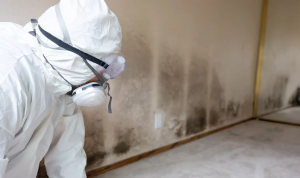
- Reduced Risk of Water Damage: By replacing aging or damaged pipes, you minimize the likelihood of leaks that can lead to costly water damage and mold growth.
- Higher Home Value: An updated plumbing system can raise your property’s value, making it more attractive to potential buyers.
- Peace of Mind: Knowing that your plumbing system is reliable and efficient alleviates concerns about plumbing emergencies.
Signs Your Home Needs Repiping
Understanding when it’s time to consider repiping is essential. Watch for these common indicators:
- Frequent Leaks: Regularly repairing leaks can be a sign that your plumbing infrastructure is deteriorating.
- Low Water Pressure: If multiple faucets are showing low pressure, it may indicate blocked or damaged pipes.
- Discolored Water: If your water appears rusty or brown, it’s likely due to corroded pipes.
- Unpleasant Odors: A foul smell coming from your pipes can indicate mold, mildew, or bacteria growth.
- Age of the Pipes: Homes with older plumbing systems, particularly those built before the 1970s, may use outdated materials prone to failure.
The Repiping Process Explained
Initial Assessment and Inspection
The first step in whole house repiping services is conducting a comprehensive evaluation of your existing plumbing system. A licensed plumber will inspect the pipes for signs of wear and damage, test for water quality, and assess water pressure. This detailed assessment helps identify specific areas that require urgent attention and informs the overall repiping strategy.
Choosing the Right Materials
When repiping, selecting the appropriate material is crucial. Common options include:
- Copper Pipes: Known for durability and resistance to corrosion, copper is a traditional choice but can be more expensive.
- PEX (Cross-Linked Polyethylene): Increasingly popular due to its flexibility, ease of installation, and resistance to scale and chlorine.
- CPVC (Chlorinated Polyvinyl Chloride): A less costly alternative to copper, it’s resistant to corrosion and can handle high pressure.
The choice of material depends on various factors including local building codes, budget, and personal preference, which your plumber will help you navigate.
Step-by-Step Repiping Procedure
Once the assessment is completed and materials selected, the actual repiping process typically follows these steps:
- Shut Off Water Supply: Before starting any work, the water supply is cut off to prevent leaks.
- Remove Old Pipes: This involves carefully dismantling the old plumbing system without damaging surrounding structures.
- Install New Piping: The new materials are installed as per plumbing codes, ensuring a snug and secure fit.
- Test the System: After installation, water pressure tests are conducted to check for leaks and ensure everything functions correctly.
- Restore Water Supply: Once all testing is satisfactory, the water supply is turned back on, and everything is cleaned up.
Costs Associated with Whole House Repiping
Factors Influencing Repiping Costs
The cost of repiping a home can vary widely depending on several key factors:
- Size of the Home: Larger homes will naturally require more materials and labor, increasing costs.
- Type of Piping Material: The choice between copper, PEX, or CPVC can significantly impact the total price.
- Accessibility: If pipes are difficult to access due to location (like behind walls or in ceilings), costs can escalate.
- Labor Costs: Rates may vary based on local plumbing unions and market rates for labor in your region.
Average Price Range in St Petersburg
As of recent estimates, the average cost for whole house repiping in St Petersburg typically falls between $7,000 and $15,000. However, this can vary based on the aforementioned factors. Homeowners should prepare for a detailed estimate from a licensed plumbing professional to gain an accurate understanding of potential costs.
Financing Options for Homeowners
Considering whole house repiping is a sizeable investment, many plumbing services offer financing plans. Options may include:
- Payment Plans: Spreading the cost over several months can make the expense more manageable.
- Home Equity Loans: Using equity in the home to fund repiping can sometimes offer lower interest rates.
- Credit Financing: Many contractors partner with financial institutions to offer specialized credit options.
Discussing financing options upfront allows homeowners to make informed decisions about their plumbing needs.
Choosing the Right Plumbing Company
What to Look for in a Plumber
Selecting a qualified plumber for your repiping job is crucial. Here are some considerations:
- Licensing and Insurance: Ensure the plumber is licensed and carries liability insurance to protect against accidents.
- Experience: Look for a company that specializes in repiping and has a proven track record.
- Technical Expertise: Plumbers should be knowledgeable about different materials and their applications.
Questions to Ask Before Hiring
Before selecting a plumbing contractor, be sure to ask the following questions:
- What types of materials do you recommend for repiping?
- Can you provide references from past clients?
- What are your warranty and post-installation services?
- What does your quote include?
- How long will the project take to complete?
Customer Reviews and Ratings
Customer reviews offer valuable insights into a plumbing service’s reliability and quality. Checking ratings on platforms such as Yelp, Google, and Angie’s List can assist homeowners in making informed decisions. A high number of positive reviews usually indicates a trustworthy plumber.
Frequently Asked Questions About Whole House Repiping
How long does a repiping project take?
Typically, a whole house repiping project can take anywhere from a few days to a week, depending on the size of your home and the complexity of the plumbing system.
Will repiping affect my water pressure?
Yes, repiping can significantly improve water pressure. New pipes eliminate blockages and leaks that often reduce flow in older systems.
Can I stay in my home during repiping?
In most cases, it’s possible to stay home, although you may experience some disruptions. Your plumber can advise you on any necessary adjustments.
What types of pipes are best for repiping?
The best pipes for repiping include copper for durability, PEX for flexibility and ease, and CPVC for low costs. Your plumber can help you choose the right option.
How often should I consider repiping my home?
Generally, homes should be repiped every 30 to 50 years. However, factors like pipe material and water quality can impact this timeline.