Masterful Custom Pergola Configurator: Enhance Your Outdoor Living Space in 2026
Understanding the Custom Pergola Configurator
As outdoor living spaces continue to grow in popularity, the demand for personalized structures like pergolas has skyrocketed. A custom pergola configurator is an essential tool that allows homeowners and designers to create their own unique pergola designs to suit their specific needs. This technology not only simplifies the design process but also provides a platform for customization and creativity, ensuring that each pergola is tailored to the client’s vision and the unique characteristics of their property.
What is a Custom Pergola Configurator?
A custom pergola configurator is an online tool or software that enables users to design a pergola according to their specifications. With features that allow for 3D rendering, users can visualize how different styles, materials, and sizes will look in their outdoor spaces. This configurator often includes user-friendly interfaces where individuals can manipulate dimensions, add accessories, and even choose colors to create a structure that complements their home.
Benefits of Using a Custom Pergola Configurator
Utilizing a custom pergola configurator comes with numerous benefits:
- Personalization: Users can tailor designs to match their aesthetic preferences and functional needs.
- Cost Efficiency: By having a clear design in hand, homeowners can avoid unnecessary expenses during the construction phase.
- Visualization: The ability to see a 3D model helps to eliminate uncertainties regarding appearance and scale.
- Time-Saving: Instant access to design adjustments means less time spent on back-and-forth communications with designers.
- Educational Insight: Many configurators provide information on materials and construction options, empowering users to make informed choices.
Key Features of Advanced Configurators
Not all configurators are created equal. Advanced tools offer a variety of features that enhance the user experience:
- 3D Visualization: Users can view designs from multiple angles, giving a better sense of scale and placement.
- Real-time Pricing: Instant price updates based on selected options enable better budgeting throughout the design process.
- Virtual Reality Options: Some configurators integrate virtual reality, allowing users to “walk through” their designs.
- Integration with Other Software: Systems that connect with project management tools streamline the entire design-to-installation process.
Choosing the Right Design for Your Needs
Designing a pergola involves several critical factors that contribute to its functionality and aesthetic appeal. From selecting the right style to considering local architecture, these elements can significantly influence the final product.
Popular Pergola Styles and Materials
When it comes to styles, various options are available, each bringing a unique charm to outdoor spaces:
- Traditional Pergolas: Characterized by classic post-and-beam construction, often made of wood.
- Modern Pergolas: Sleek design with clean lines, often using metal or composite materials for a contemporary look.
- Bioclimatic Pergolas: These feature adjustable louvered roofs, allowing for optimal light and shade control.
- Vinyl Pergolas: Durable and low-maintenance, these structures are ideal for homeowners seeking longevity.
Customizing Dimensions and Layouts
Custom dimensions can ensure your pergola fits perfectly within your outdoor space. Considerations include:
- Space Availability: Measure the area where you plan to install the pergola.
- Height Variations: Ensure that the height suits both aesthetic and functional needs, especially if integrating lighting.
- Layout Considerations: Decide on an open or closed configuration depending on how much shade you desire.
Common Mistakes to Avoid When Designing
Designing a pergola can present challenges. Avoid these common mistakes:
- Ignoring Local Codes: Ensure your design complies with local building regulations.
- Inadequate Drainage: Plan for water runoff to avoid pooling.
- Misjudging Scale: Always visualize the pergola in relation to nearby structures.
Maximizing Functionality and Aesthetics
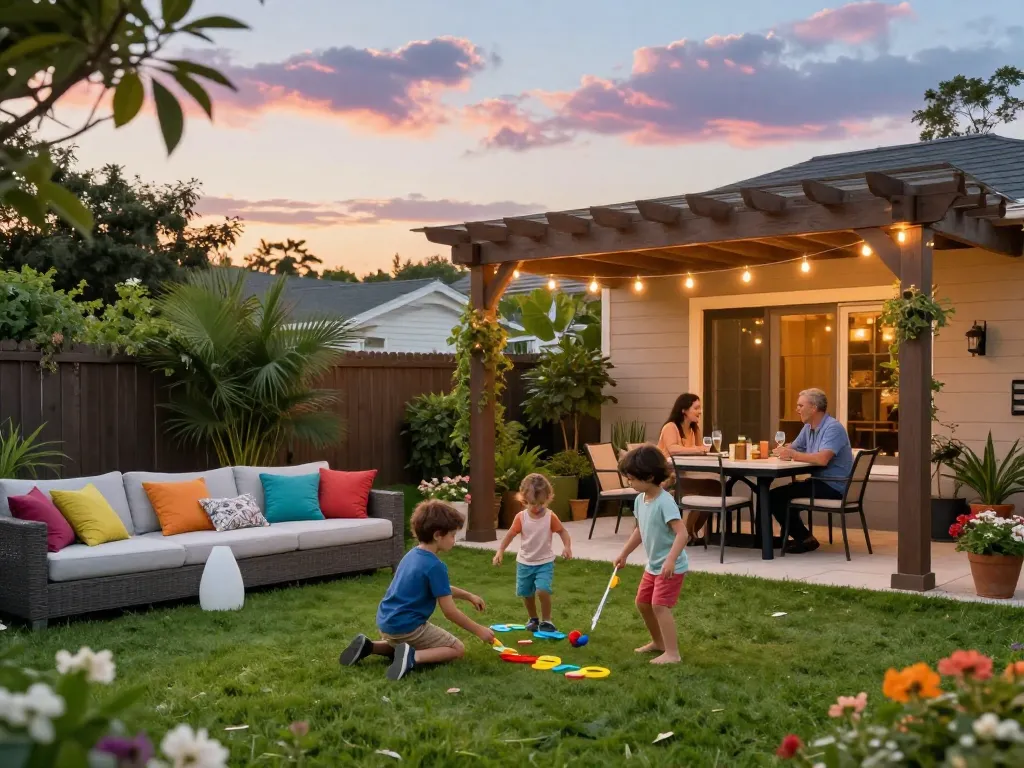
To truly enhance your outdoor living space, a pergola must be both functional and aesthetically pleasing. This balance can be achieved through thoughtful design choices.
Incorporating Lighting and Accessories
Lighting can dramatically transform the atmosphere of your pergola. Consider these options:
- String Lights: Offer a whimsical touch, perfect for casual gatherings.
- Recessed Lighting: Provides ambient light without disrupting the overall design.
- Ceiling Fans: Enhance airflow and comfort on warm days.
Integrating the Pergola with Your Landscape
Integration with your landscape is vital for creating a harmonious outdoor space. Here are tips to achieve this:
- Match Materials: Use similar materials to your home’s exterior for a seamless look.
- Incorporate Greenery: Add climbing plants or potted flowers to soften the structure.
- Consider Hardscaping: Pathways or patios that lead to the pergola enhance accessibility and beauty.
Seasonal Considerations for Your Design
Designing with the seasons in mind ensures that your pergola is enjoyable year-round:
- Winter Shelter: Consider how the structure will hold up against snow and ice.
- Summer Shade: Utilize materials like canvas or adjustable louvers to provide shade during hot months.
- Fall Aesthetics: Plan for how the pergola complements autumn foliage.
Cost Factors and Budgeting
Creating a custom pergola requires careful financial planning to avoid overspending. Understanding various cost factors can aid in budgeting effectively.
Understanding Pricing Models for Configurators
Pricing models for custom pergola configurators can vary significantly. Key elements to consider include:
- Material Choices: Different materials can have varying costs; wood may be less expensive initially but require more maintenance than vinyl or metal.
- Size and Complexity: Larger and more complex designs will naturally incur higher costs.
- Add-Ons and Customization: Additional features like lighting or decorative elements can increase the total price.
Estimating Installation Costs
Installation can significantly add to your project’s total cost. Factors influencing installation prices include:
- Labor Rates: These can vary by region and the complexity of the installation.
- Foundation Requirements: Additional groundwork may be necessary for larger structures.
- Permitting Fees: Always factor in any local permit costs required for construction.
Financing Options for Custom Pergola Projects
For those who wish to spread out their costs, several financing options are available:
- Personal Loans: Can be used for larger projects to minimize upfront costs.
- Home Equity Lines of Credit: Leverage your existing equity for financing.
- Installment Payments: Many suppliers offer payment plans during the design and installation process.
Future Trends in Outdoor Living Spaces
The outdoor living space industry is continually evolving, with emerging trends set to shape designs in the coming years. Here’s what to expect for 2026 and beyond.
Innovative Design Trends for 2026
Expect to see the following trends gaining traction:
- Multi-Functional Spaces: Pergolas that serve as outdoor kitchens or dining areas.
- Modular Designs: Customizable structures that can grow and change with homeowner needs.
- Biophilic Design: Integrating more natural elements to foster a connection with nature.
Smart Technology Integration in Pergolas
Smart technology will increasingly find its way into outdoor designs. Features to consider include:
- Automated Shade Systems: Utilize sensors to adjust shading based on sunlight and temperatures automatically.
- Smart Lighting Solutions: Control lighting through apps for convenience and ambiance.
- Integrated Sound Systems: Enhance entertainment options in outdoor spaces.
Eco-Friendly Practices in Pergola Construction
Sustainability continues to be a focus in construction. Future pergola designs are likely to include:
- Recycled Materials: Using sustainable resources for construction.
- Energy-Efficient Designs: Structures that work with natural light and ventilation to reduce energy costs.
- Low-Maintenance Options: Products that require less upkeep contribute to eco-friendliness.
What features should I look for in a custom pergola configurator?
Look for user-friendly interfaces, 3D visualization, and real-time pricing features that help streamline the design process.
How can I ensure my pergola design meets local building codes?
Consult local authorities and ensure your configurator provides information or documentation regarding building regulations in your area.
What are the maintenance requirements for custom pergolas?
Depending on materials used, maintenance may vary from regular cleaning to occasional treatments or inspections for wear and tear.
How does a custom pergola increase property value?
Enhancing aesthetic appeal and functional outdoor space helps to attract potential buyers, thereby increasing property value.
Can I integrate my custom pergola with outdoor heating solutions?
Absolutely! Many designs allow for the integration of outdoor heating solutions, making your pergola enjoyable throughout all seasons.