Proven FCC Compliance Strategies for 2026: Expert EMC Testing Insights
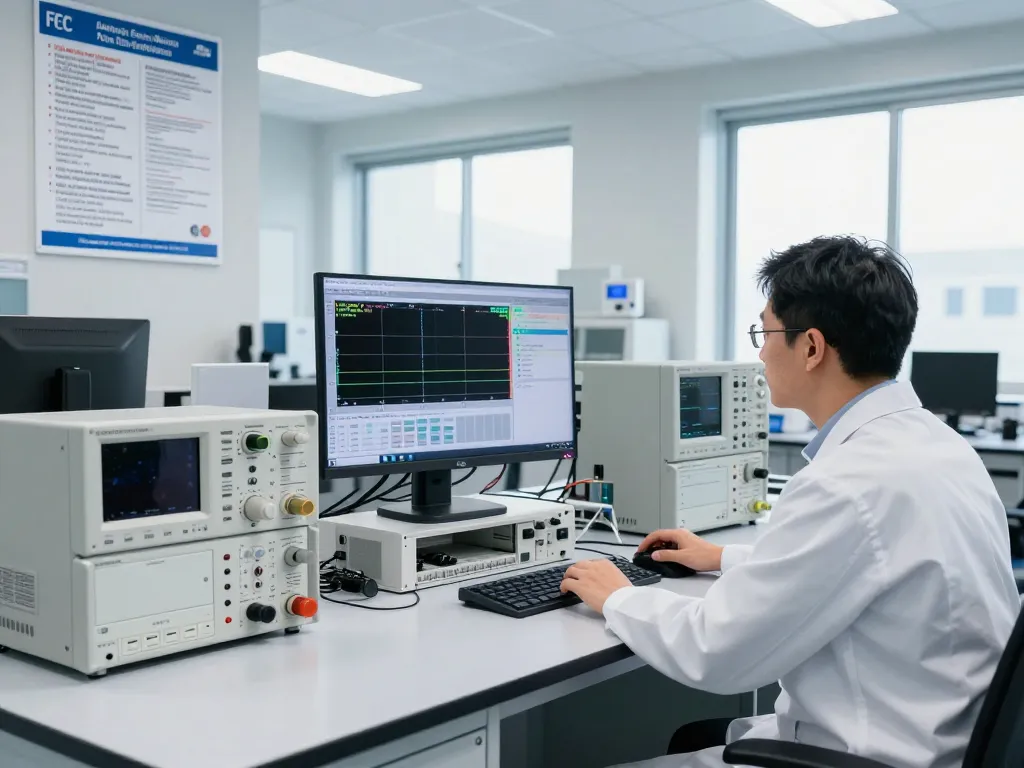
Understanding FCC Regulations for EMC Testing
The Federal Communications Commission (FCC) has established a comprehensive regulatory framework governing electromagnetic compatibility (EMC) testing to ensure that electronic and telecommunication devices operate without causing interference to other devices. Compliance with these regulations is crucial for manufacturers aiming to sell their products in the U.S. market. At Stancer Testing-Lab, we understand the nuances of these regulations and provide our clients with essential guidance on compliance. By leveraging our EMC testing services, you can navigate the complexities of FCC standards effectively and efficiently.
What Are FCC Standards?
The FCC standards encompass various requirements designed to limit electromagnetic interference (EMI) and ensure that devices function as intended. These standards include limits on both radiated and conducted emissions. For instance, consumer electronics must adhere to the guidelines outlined in Part 15 of the FCC’s regulations, which govern unintentional radiators, ensuring that these devices do not disrupt communications and other essential services. Likewise, intentional radiators, such as transmitters, must conform to stricter guidelines under Part 90, particularly in terms of frequency use and output power.
The Importance of Compliance for Manufacturers
Compliance with FCC regulations is not merely a legal formality; it is a vital aspect of product development that can significantly affect a manufacturer’s market success. Failing to adhere to these standards can result in costly fines, product recalls, and damage to brand reputation. Moreover, non-compliance jeopardizes the safety and efficacy of devices, potentially posing risks to consumers and leading to liability issues. Thus, rigorous EMC testing and analysis are critical steps in the product development lifecycle, and partnering with an experienced testing lab like Stancer can streamline this process.
Recent Updates on FCC Guidelines
The FCC regularly updates its guidelines to reflect technological advancements and evolving industry needs. Recently, the commission has focused on expanding the availability of spectrum for unlicensed use, which is crucial for the proliferation of wireless technologies. Manufacturers must stay informed about these changes to ensure ongoing compliance and to take advantage of new opportunities in the market. Understanding how these updates impact your products is essential for maintaining compliance and enhancing market readiness.
Types of EMC Testing Offered by Stancer Testing-Lab
Comprehensive RF Testing Procedures
Stancer Testing-Lab offers a wide range of RF testing services to evaluate the radiated and conducted emissions of various electronic devices. Our procedures are designed to meet the stringent requirements set by the FCC, ISED, CE, and ETSI standards. This includes testing for unintentional emissions as well as immunity testing, which assesses how devices perform in the presence of electromagnetic interference.
Automotive EMC Testing Solutions
In the automotive sector, EMC compliance is paramount, especially with the growing integration of electronic systems within vehicles. Stancer provides specialized automotive EMC testing solutions in line with ECE Regulation 10 (R10), ISO 16750, CISPR 12, and CISPR 25 standards. These tests ensure that vehicles do not interfere with other devices while maintaining optimal performance, thereby safeguarding driver and passenger safety.
Telecommunications Industry Requirements
The telecommunications industry faces unique EMC challenges due to the increased demand for wireless communication technologies. Our testing lab is equipped to handle the rigorous requirements of this sector, ensuring that telecommunications equipment meets the necessary regulatory standards for worldwide deployment. This includes evaluations for interference susceptibility and emissions standards critical for industry compliance.
The Stancer Testing-Lab Advantage: Expertise and Facilities
Advanced Technology and Equipment
Stancer Testing-Lab prides itself on maintaining state-of-the-art testing facilities equipped with the latest technology in EMC testing. Our laboratories house top-tier measurement tools and setups that allow for precise and reliable testing outcomes. From anechoic chambers to spectrum analyzers, our advanced equipment ensures that we deliver high-quality testing services that adhere to the most stringent FCC standards.
Our Expert Team’s Experience
Our team of experienced engineers brings a wealth of knowledge in EMC and RF regulatory compliance across diverse industries. With their extensive background in both practical and theoretical aspects of EMC testing, our experts are equipped to provide thorough and insightful analyses of your products. This expertise ensures that our clients receive reliable data and actionable recommendations tailored to their specific needs.
Tailored Compliance Solutions for Various Industries
Understanding that each industry has unique requirements, Stancer Testing-Lab offers tailored compliance solutions. Whether clients operate in telecommunications, medical, automotive, or consumer electronics, our customized testing services address the specific challenges faced in each sector. This ensures that every product we test is compliant with appropriate regulations and ready for the market.
Navigating the Certification Process with Stancer
Steps to Achieving FCC Certification
Achieving FCC certification involves several critical steps, starting from initial consultation through to final testing and reporting. At Stancer Testing-Lab, we guide our clients through each phase of the process. This includes understanding the product’s intended use, conducting necessary tests, and compiling reports that detail compliance with FCC standards. Following successful testing, we can assist in submitting the required documentation to the FCC on your behalf.
Common Challenges and How to Overcome Them
Many manufacturers encounter challenges during the certification process, such as unexpected non-compliance issues or unclear regulatory requirements. Stancer Testing-Lab proactively addresses these challenges by offering comprehensive consultation services and pre-testing analysis. Our strategic approach helps clients identify potential compliance obstacles early in the development process, allowing for timely modifications and retesting.
Retesting and Compliance Assistance Options
If initial tests reveal non-compliance, our expert team provides detailed feedback and recommendations for design modifications that can enhance product compliance. After implementing these changes, we offer re-testing services to ensure that the product meets all required standards. This iterative process not only enhances the likelihood of passing certification but also improves product reliability overall.
Future Trends in EMC Testing and Compliance
Predicted Changes in FCC Policies
Looking forward, the FCC is expected to continue evolving its policies to cater to the rapid advancements in technology, particularly in wireless communications. This may include revisiting thresholds for emissions and immunity testing as new technologies emerge, thus influencing compliance strategies for manufacturers. Staying ahead of these changes is critical for all businesses in the electronics space.
Emerging Technologies and Compliance Requirements
As the Internet of Things (IoT) continues to expand, new compliance requirements are likely to arise, particularly concerning connected devices. Manufacturers should prepare for shifts in testing protocols that account for the unique characteristics of IoT devices. This may involve more rigorous testing for cybersecurity and interference issues.
Preparing for 2026 and Beyond
The compliance landscape will undoubtedly change by 2026, with evolving technologies necessitating innovative testing approaches. Companies should begin to adapt their product development processes now to meet future compliance standards, ensuring that they remain competitive in the market. Collaborating with expert testing labs like Stancer can facilitate this transition significantly.
What is the role of the FCC in EMC compliance?
The FCC plays a crucial role in establishing and enforcing standards that ensure devices operate without causing harmful interference. Their regulations guide manufacturers in designing and testing products to meet compliance needs before market introduction.
How does Stancer Testing-Lab ensure compliance?
Stancer Testing-Lab ensures compliance by providing comprehensive testing services and expert guidance throughout the certification process. Our thorough approach includes pre-test consultations, detailed testing, and compliance reporting.
What industries require EMC testing?
EMC testing is essential across various industries, including telecommunications, automotive, medical devices, consumer electronics, and more. Each industry has specific compliance requirements dictated by regulatory bodies like the FCC.
What are common EMC testing pitfalls?
Common pitfalls in EMC testing include inadequate pre-testing preparations, misunderstanding regulatory requirements, and neglecting thorough documentation. To avoid these issues, manufacturers should engage in early consultations and comprehensive testing services.
How can companies improve their compliance processes?
Companies can improve their compliance processes by adopting proactive testing strategies, investing in expert consultations, and staying informed about regulatory changes. Utilizing services from established EMC testing labs like Stancer can facilitate this improvement effectively.