Revitalizing Charm: Essential Guide to Colonial Home Renovation

Understanding Colonial Home Renovation
Colonial homes are a hallmark of American architecture, rich in history and character. These structures often exude a timeless charm that homeowners wish to preserve even during renovation. A successful colonial home renovation requires a comprehensive understanding of both the unique design features and the needs of modern living.
Defining Colonial Home Style
Colonial homes are typically characterized by their symmetrical facades, gabled roofs, and a central entrance. Originating from the early American colonial period, these homes feature various styles, including Georgian, Federal, and Dutch Colonial, each with distinct architectural details. Understanding the specific style of your colonial home is crucial for maintaining its historical integrity during renovation.
When defining the style, consider key attributes such as:
- Symmetry: Most colonial homes possess a balanced look, with evenly spaced windows and a centrally located door.
- Materials: Traditional colonial homes use brick, wood siding, or clapboard; renovations should respect these materials.
- Roof Design: Gabled roofs are common, often adorned with dormers and chimneys that add character.
Key Elements of Renovation
Renovating a colonial home means careful consideration of its historical elements while bringing modern comforts into the equation. Key elements to focus on include:
- Preservation of Historical Features: Maintaining original features such as moldings, hardware, and flooring is vital.
- Updating Systems: Electrical, plumbing, and HVAC systems may need upgrades to meet current standards without compromising aesthetic appeal.
- Energy Efficiency: Insulation and energy-efficient windows can be incorporated to improve climate control without altering the home’s character.
Assessing the Home’s Condition
Before starting any renovation, assessing the home’s structural and aesthetic condition is paramount. This involves:
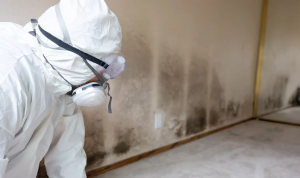
- Structural Integrity: Check for foundational issues, rot, or signs of pest infestation that may require immediate attention.
- Exterior Condition: Inspect the roof, siding, and windows to identify areas needing repair or replacement.
- Interior Inspection: Evaluate the condition of floors, walls, electrical systems, and plumbing to prioritize necessary updates.
Planning Your Colonial Home Renovation
Setting a Realistic Budget
A successful renovation begins with a clear budget. To establish a realistic budget, consider:
- Detailed Estimates: Obtain multiple quotes from contractors to gauge a realistic scope and budget.
- Allocation for Contingencies: Set aside funds for unforeseen expenses, typically ranging from 10% to 20% of the total budget.
- Prioritization: Prioritize essential renovations over cosmetic upgrades to ensure budget efficiency.
Creating a Timeline for Renovation
Creating a timeline for your colonial home renovation can help manage expectations and maintain project momentum. Key steps include:
- Setting Milestones: Divide the project into phases with clear objectives and deadlines for each phase.
- Considering Seasonal Impacts: Some renovations might be affected by weather conditions; plan accordingly.
- Regular Updates: Maintain an open line of communication with your contractor to adjust timelines as necessary based on progress.
Choosing the Right Professionals
Selecting skilled professionals is crucial in a colonial home renovation. Look for:
- Experienced Contractors: Focus on those specializing in historical renovations who understand preservation guidelines.
- Architects and Designers: Involve professionals who can balance modern updates with historical authenticity.
- Permitting and Legal Advice: Consult with experts familiar with zoning laws and historic preservation regulations.
Design Considerations for Colonial Homes
Balancing Vintage and Modern Features
When renovating a colonial home, it’s essential to find harmony between vintage charm and modern functionality. Tips include:
- Harmonious Design: Select materials and fixtures that complement the home’s character, blending modern elements without overpowering historical features.
- Open Floor Plans: While preserving the home’s structural integrity, reconfiguring some spaces for an open-plan feel can enhance livability.
- Technology Integration: Consider updates like smart-home features that enhance convenience while being discreet.
Color Schemes and Exterior Updates
Choosing the right color palette is crucial to maintaining the colonial aesthetic while allowing updates. Consider:
- Traditional Palettes: Subtle earth tones or soft pastels typically resonate well with colonial styles.
- Exterior Materials: Opt for historically accurate materials like wood or brick, ensuring any new additions look integrated.
- Landscaping Elements: Enhance the exterior with period-appropriate plants, walkways, and decorative features that frame the home.
Landscaping for Colonial Architecture
Landscaping plays a critical role in enhancing a colonial home’s curb appeal. Effective strategies include:
- Symmetrical Layouts: Reflect the symmetry of the home in your landscaping choices, ensuring paths, shrubs, and trees are evenly distributed.
- Seasonal Blooms: Incorporate perennials and annuals that provide color throughout the year, complementing the architectural style.
- Hardscaping Features: Use stone walls, patios, and pathways that harmonize with the home’s historical aesthetic.
Legal and Historical Factors
Understanding Historic Preservation Laws
Renovating a historical property often involves navigating various laws and regulations. Important areas to consider include:
- Local Regulations: Research local preservation guidelines to ensure your renovation aligns with community standards.
- State and Federal Laws: Understand any state or federal tax incentives for preserving historical properties, which can help offset costs.
Consulting with Preservation Societies
Engaging with local preservation societies can provide valuable resources and support during renovation. Benefits include:
- Historical Advice: Gain insight from experts who can offer guidance on best practices for historical renovations.
- Community Resources: Access possible grants or funding opportunities provided by preservation organizations.
Navigating Permitting Processes
The permitting process can vary widely depending on the scope of your renovation. Key steps include:
- Research Local Requirements: Understand the specific permits required for your renovation and associated timelines.
- Prepare Necessary Documentation: Ensure all project plans and contractor information are organized for a smooth permitting process.
- Engage Early: Consult with local officials early in the process to clarify any ambiguities related to your project.
Executing Your Colonial Home Renovation
Managing Contractors and Workers
Effective management of contractors is essential to ensure a smooth renovation. Best practices include:
- Contract Clarity: Ensure contracts outline responsibilities, timelines, and budget controls to avoid disputes.
- Regular Communication: Maintain open lines of communication with contractors to keep everyone informed on progress or issues.
Monitoring Progress and Addressing Challenges
Monitoring the renovation’s progress can help identify potential challenges before they escalate. Consider:
- Routine Inspections: Conduct regular site visits to review work and ensure adherence to plans and budgets.
- Problem-Solving: Be proactive in addressing issues as they arise, whether they relate to scheduling, costs, or quality.
Finalizing Touches and Home Evaluation
The final touches of a renovation can heavily influence the overall aesthetic. Important considerations include:
- Detail Work: Pay attention to moldings, paint, and fixtures that tie the renovation together seamlessly.
- Home Evaluation: Conduct a thorough evaluation of the completed work to ensure everything meets your satisfaction and quality standards.
Frequently Asked Questions
What is involved in a colonial home renovation?
A colonial home renovation involves assessing the home’s historical features, planning updates to modernize the space, and ensuring renovations follow preservation guidelines.
How can I retain the historic character during renovations?
To retain historic character, focus on preserving original features, use period-appropriate materials, and consult historic preservation experts during the design process.
What is a realistic budget for renovating a colonial home?
The budget varies widely based on the scope of renovations, but it should include detailed estimates and a contingency fund for unexpected expenses, typically 10-20% of the total cost.
Are there specific permits required for colonial home renovations?
Yes, many renovations require permits, especially if structural changes are made or if the home is in a historic district. Always check local regulations and permitting requirements.
How do I find the right contractors for my renovation?
Look for contractors with experience in historical renovations, check references, look at past projects, and ensure they are familiar with local preservation laws.