
Stylish Cape Cod Homes: Enhancing Functionality with Attached Garages
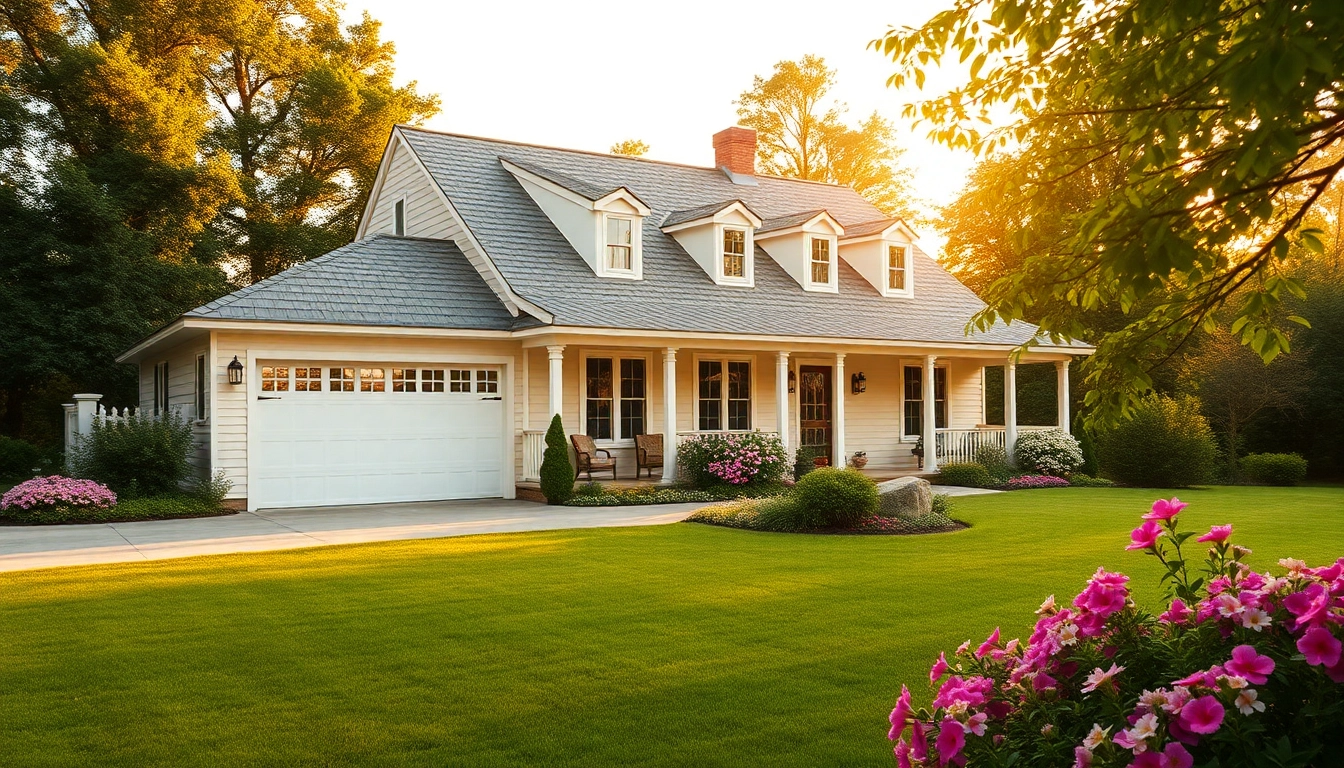
Understanding Cape Cod Homes
The charm of cape cod homes lies in their unique architectural style that combines functionality with coastal elegance. Originating in New England, these homes are characterized by their steep roofs, symmetrical facades, and inviting porches. In this article, we will explore the history and typical design features of Cape Cod homes, the reasons families choose this style, and how modern interpretations differ from traditional designs.
History and Design Features of Cape Cod Homes
Historically, Cape Cod homes emerged in the early 17th century with the arrival of English settlers. The design was practical, suited to the harsh weather conditions of the Northeastern coast. These homes were built low to the ground with steep roofs to prevent snow accumulation in winter and ensure proper drainage during rain.
Common design features include:
- Wood siding, usually painted in soft hues.
- Multi-pane windows and dormers for natural light.
- Open floor plans that promote airflow and warmth.
- Chimneys that are centrally located for efficiency.
These characteristics not only offered structural benefits but also contributed to the home’s aesthetic appeal, making Cape Cod homes a beloved choice for many homeowners.
Why Choose Cape Cod Homes for Your Family?
Choosing a Cape Cod home provides numerous advantages for families. Firstly, their timeless style complements various landscapes, making them versatile for coastal and suburban settings alike. Secondly, the open floor plans resonate well with modern lifestyles, promoting social interaction among family members.
Moreover, the durability of Cape Cod homes, built to endure the elements, ensures a long-term investment. Families appreciate the ability to personalize these homes, adding modern touches without losing the essential charm that defines them.
Modern Versus Traditional Cape Cod Homes
While traditional Cape Cod homes emphasize simplicity and practicality, modern iterations have embraced innovation and sustainability. New designs might incorporate:
- Energy-efficient windows and insulation.
- Open-concept kitchens that facilitate family gatherings.
- Flexible spaces that can serve multiple purposes.
Modern adaptations may also include technological advancements such as smart home systems, ensuring convenience and efficiency that align with contemporary needs.
Benefits of Adding an Attached Garage
In addition to their core architectural features, Cape Cod homes can benefit significantly from adding an attached garage. This addition enhances functionality and elevates the overall property value.
Improved Accessibility and Convenience
One of the primary benefits of having an attached garage is accessibility. During inclement weather, homeowners can easily transition from their vehicle to their home without venturing outdoors. This is particularly beneficial in regions with harsh winters or heavy rainfall.
An attached garage can also serve as a practical storage solution, providing space for tools, bicycles, and outdoor gear, maintaining the home’s interior free of clutter.
Enhancing Property Value with Attached Garages
Investing in an attached garage can significantly boost property value. Real estate studies indicate that homes with garages tend to sell faster and at higher prices compared to those without. Buyers often view garages as a desirable feature, as they enhance security and offer extra functionality.
Design Considerations for Your Garage
When adding an attached garage to a Cape Cod home, several design considerations must be made to ensure harmony with the existing structure:
- Mix architectural styles carefully to maintain aesthetic coherence.
- Consider matching siding and roof materials with the main house.
- Plan the garage space to include adequate storage while allowing for seamless access to the home.
Careful planning ensures the garage enhances the home’s design rather than detracts from its established character.
Incorporating Sustainable Elements
As environmental concerns grow, incorporating sustainable elements into Cape Cod homes has become increasingly important. These homes are perfectly suited for delivering eco-friendly designs without sacrificing style or comfort.
Energy Efficiency in Cape Cod Home Design
Designing for energy efficiency involves optimizing insulation and window placement. Proper insulation can drastically reduce heating and cooling costs, while strategically placed windows can maximize natural light, reducing reliance on artificial lighting.
Another crucial component is HVAC system efficiency. Modern, high-efficiency systems or even renewable energy systems, such as solar panels, can contribute significantly to lowering a home’s carbon footprint.
Utilizing Eco-Friendly Materials
When choosing materials for construction or renovation, opting for sustainable options is key. Reclaimed wood, recycled metal, and eco-friendly siding are not only environmentally friendly but can also add unique charm to Cape Cod homes. Choosing paints with low volatile organic compounds (VOCs) contributes to better indoor air quality and less environmental impact.
Landscaping Strategies for Sustainability
Sustainable landscaping is another essential aspect of eco-friendly Cape Cod homes. Native plants that require less water and care are ideal for maintaining the beauty of the property while conserving resources. Implementing rain gardens to manage stormwater runoff can also enhance the environmental sustainability of your home.
Maximizing Space in Cape Cod Homes
Space optimization is vital in Cape Cod homes, especially for families looking to maximize functionality without compromising the aesthetic appeal of their residence.
Storage Solutions for Smaller Cape Cod Designs
In smaller Cape Cod homes, efficient storage solutions are paramount. Utilizing wall-mounted shelving, built-in benches with storage, and multi-purpose furniture can significantly increase storage without cluttering living spaces.
Additionally, under-stair storage or utilizing attic space can provide hidden organization for seasonal items and other possessions.
Functional Layout Ideas for Attached Garages
When designing the layout of an attached garage, consider how it connects to the main living spaces. A garage that allows access to the mudroom or laundry area creates a seamless transition between outside and inside, enhancing daily functionality.
Incorporating large doors can also allow for easy entry of larger vehicles while providing adequate natural light.
Integrating Outdoor Living Spaces
Outdoor spaces are essential for enhancing the livability of a home. Expanding or designing outdoor living spaces such as patios or decks adjacent to your Cape Cod home and garage can create perfect gathering spots for family and friends. Incorporating fire pits, outdoor kitchens, and comfortable seating makes these areas extend your living space outdoors.
FAQs About Cape Cod Homes and Attached Garages
What are the key features of a Cape Cod home?
Key features include steep gable roofs, symmetrical design, and dormer windows, often made of wood siding or shingles.
How does an attached garage impact property value?
An attached garage typically enhances property value by offering added convenience, storage, and security, appealing to potential buyers.
What design styles complement Cape Cod homes?
Design styles such as Coastal, Traditional, and Modern Farmhouse complement Cape Cod homes well, enhancing their charm.
Are there modern adaptations of Cape Cod homes?
Yes, modern adaptations feature open floor plans, energy-efficient designs, and smart home technologies while retaining classic elements.
How can I make my garage eco-friendly?
Consider using sustainable materials, incorporating energy-efficient lighting, and implementing insulation to reduce energy consumption.